The Illustrations to Tales of Mystery and Imagination, by Edgar Allen Poe, by Harry Clarke, 1919. Click for full size.


The Illustrations to Tales of Mystery and Imagination, by Edgar Allen Poe, by Harry Clarke, 1919. Click for full size.

The animal depicted is the mute swan. The characteristic knob at the base of the beak should be black instead of white as shown here. The white paint is covered with a thick coat of glair (made from egg white) which gives the feathers a luxurious sheen.
Text Translation:
Of the swan. The swan, olor, is the bird which the Greeks call cygnus. It is called olor because its plumage is wholly white; no-one can recall seeing a black swan. In Greek olos means ‘entire’. The swan is called cignus, from its singing; it pours forth the sweetness of song in a melodious voice. They say that the swan sings so sweetly because it has a long, curved neck; inevitably, a voice forcing its way through a long, flexible passage produces a variety of tones. They say, moreover, that in the far north, when bards are singing to their lyres, large numbers of swans are summoned by the sound and sing in harmony with them. The Latin name for the swan, I repeat, is olor; the Greeks call it cignus. Sailors say that seeing a swan is a good omen for them; Emilianus said: ‘When you are observing birds for omens, the swan is always the most favorable bird to see; sailors set great store by it because it does not plunge beneath the waves’.
The swan has snow-white plumage and dark flesh. In a moral sense, the white colour of its plumage signifies the effect of deception, whereby the dark flesh is hidden, in the same way that a sin of the flesh is concealed by pretence. When the swan swims in a river, it holds its neck and head high, as a proud man is led astray by transitory things and even glories at the time in his temporary possessions. They say that in the far north, when bards are singing to their lyres, large numbers of swans fly there and sing in harmony with them. In the same way those who long for sensuous pleasure with all their hearts, like the swans flying north, harmonise with other pleasure-seekers. But when, at the very end, the swan dies, it is said to sing very sweetly as it is dying.
Likewise, when the proud man departs this life, he still delights in the sweetness of this present world and, dying, remembers the evil he has done. When the swan is plucked of its white plumage, it is set on the spit and roasted at the fire. Likewise, when a rich, proud man is stripped at death of his worldly glory, he will descend to the fires of hell where he will be tormented; he who used to seek food in the lowest places, descending into the abyss, is fed into the fire.
From Ice Swimmer: These crows were relatively unconcerned of being photographed. The place is the bridge to the island Seurasaari, home to an open-air museum in which there are traditional wooden buildings transplanted from all over Finland, which would have been demolished otherwise. Click for full size!


© Ice Swimmer, all rights reserved.
A Jay having a bath, part 1, from Giliell, click for full size!
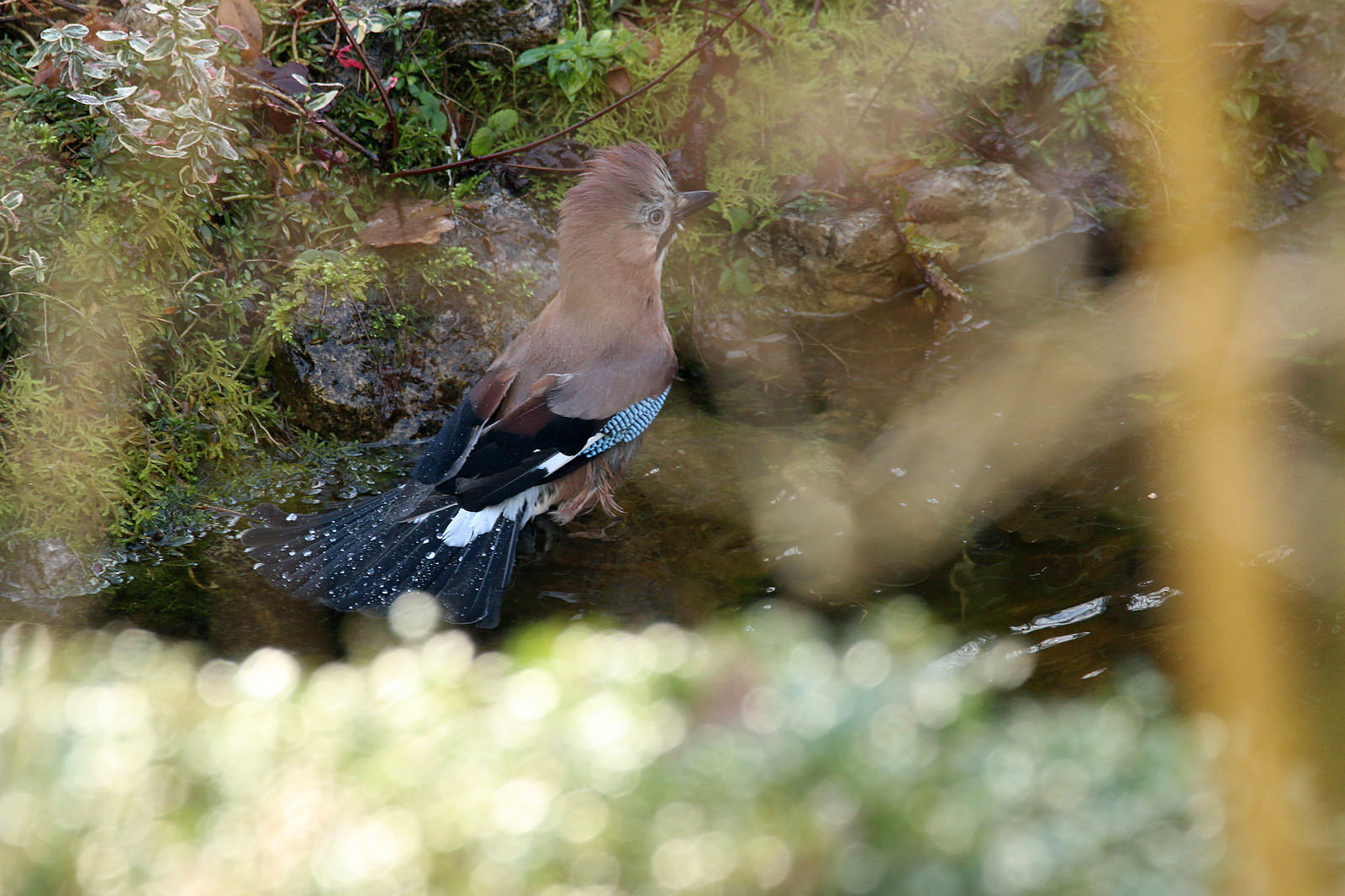


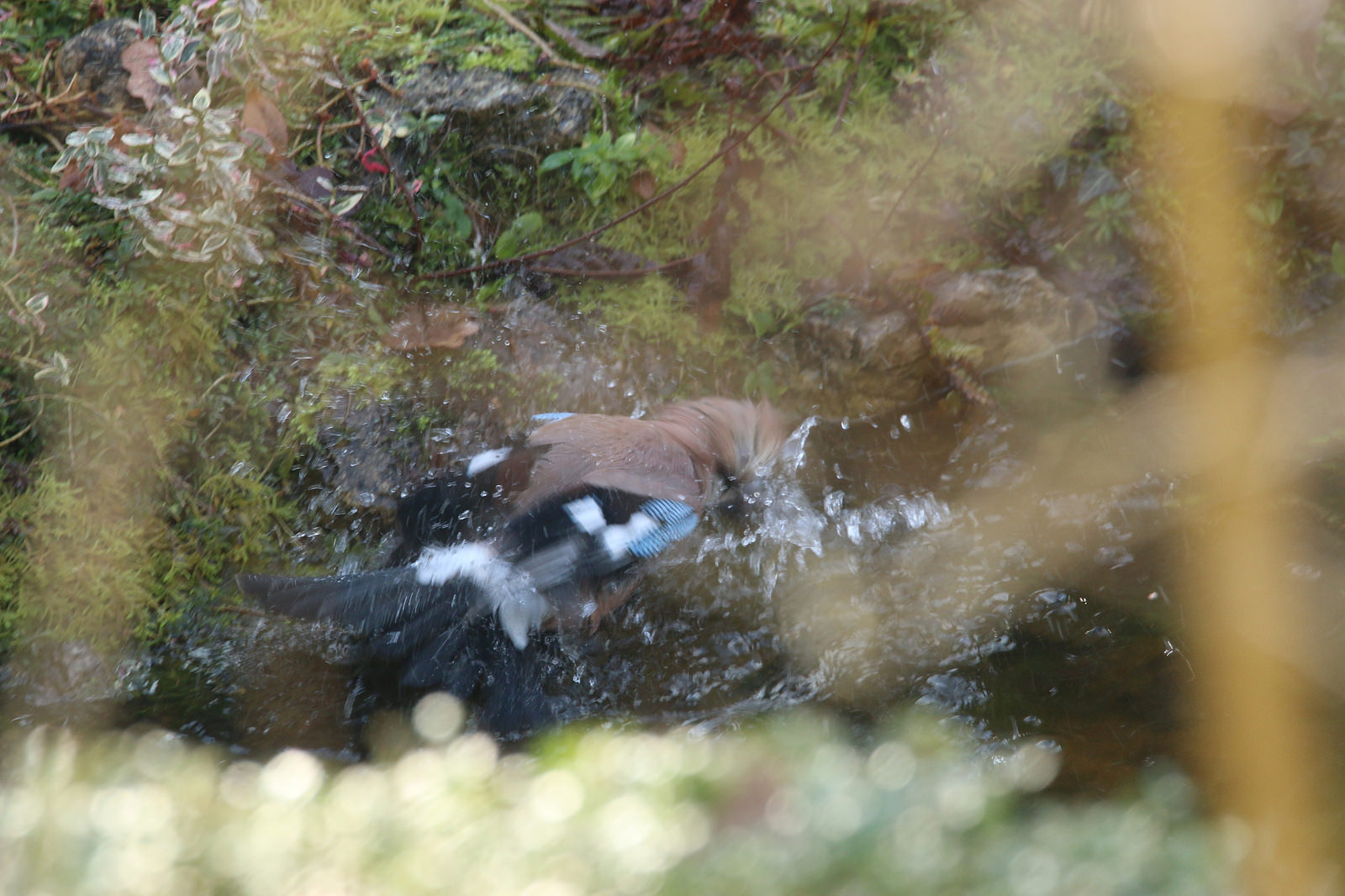
© Giliell, all rights reserved.
Open thread, don’t be an asshole, thanks. Previous Thread. You can read more about Despotism 1946 at the Public Domain.
The Illustrations to Tales of Mystery and Imagination, by Edgar Allen Poe, by Harry Clarke, 1919. Click for full size.


Portrait of the Crow in a Roundel.
Text Translation:
Of the crow The crow is a long-lived bird, called cornix in Latin and Greek. Soothsayers assert that the crow can represent by signs the concerns of men, show where an ambush is laid and foretell the future. It is a great crime to believe this – that God confides his intentions to crows. Among the many omens attributed to crows is that of presaging by their caws the coming of rain. Hence the line: ‘Then the crow loudly cries for rain’ (Virgil, Georgics, 1, 388).
Another strike against the christian god. What’s wrong with confiding in crows?
Let men learn from the crow’s example and its sense of duty, to love their children. Crows follow their young in flight, escorting them attentively; they feed them anxiously in case they weaken. A very long time passes before they give up their responsibility for feeding their offspring. In contrast, women of our human race wean their babies as soon as they can, even the ones they love. Rich women are altogether averse to breastfeeding. If the women are poor, they cast out their infants, expose them and, when the babies are found, deny all knowledge of them. The rich themselves also kill their children in the womb, to avoid dividing their estate among many heirs; and with murderous concoctions they destroy in the uterus the children of their own womb; they would rather take away life than transmit it. What creature but man has taken the view that children can be renounced? What creature but man has endowed parents with such barbarous rights? What creature but man, in the brotherhood created by nature, has made brothers unequal? Different fates befall the sons of a single rich man. One enjoys in abundance the rights and titles of his father’s entire heritage; the other complains bitterly at receiving an exhausted and impoverished share of his rich patrimony. Did nature distinguish between what each son should receive? Nature has shared things equally among everyone, giving them what they need to be born and survive. Let nature teach you to make no distinction, when dividing your patrimony, between those whom you have made equal by the title bestowed by brotherhood; for truly as you have bestowed on them the equal possession of the fact of their birth, so you should not grudge them the equal enjoyment of their status of brotherhood.
Eurasian Jay from Giliell, click for full size!

© Giliell, all rights reserved.
 We have two words today, because they are both from the same book, and I did not wish to choose between them.
Salubrious, adjective: favourable to or promoting health or well-being.
-salubriously, adverb.
-salubriousness, noun.
-salubrity, noun.
[Origin: Latin salubris; akin to salvus safe, healthy.]
(1547)
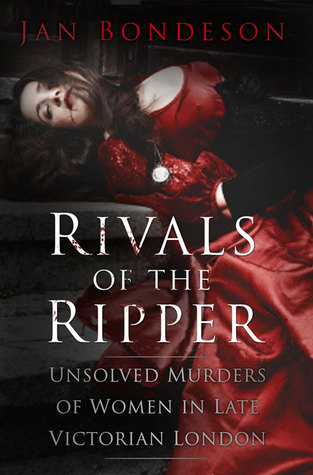
“Bloomsbury to the north and Soho to the west were far from salubrious parts of London, but St. Giles’s remained one of the worst blackspots on the London map until the 1890s.” – Rivals of the Ripper: Unsolved Murders of Women in Late Victorian London, Jan Bondeson.
Obliquity, noun, plural -ties.
1: deviation from moral rectitude or sound thinking.
2a: deviation from parallelism or perpendicularity; also: the amount of such a deviation. b: the angle between the planes of the earth’s equator and orbit having a value of about 23°27′.
3a: indirectness or deliberate obscurity of speech or conduct. b: an obscure or confusing statement.
[Origin: Middle French obliquité from Latin obliquitatem slanting direction, obliquity.]
(15th Century)
“The Era newspaper blamed the police for their hounding of Smith and insisted that ‘the mental obliquity and professional incapacity displayed by the police in getting up the case against Smith, for the Cannon Street murder, shows more than ever the absolute necessity that exists for the establishment of a public prosecutor’. – Rivals of the Ripper: Unsolved Murders of Women in Late Victorian London, Jan Bondeson.
These two words definitely do not belong together, but I love the way they sound together: Salubrious Obliquity.
The Illustrations to Tales of Mystery and Imagination, by Edgar Allen Poe, by Harry Clarke, 1919. Click for full size.


Portrait of the quail. This rather characterless and legless portrait shows the correct tawny colour of the quail but is the wrong shape. The quail has a plump body and minimal tail.
Text Translation:
Of the quail Quails are so called from their call; the Greeks call them ortigie because they were first seen on the island of Ortigia. Quails have fixed times of migration. For when summer gives way to winter, they cross the sea. The leader of the flock is called ortigometra, ‘the quail-mother’. The hawk, seeing the quail-mother approaching land, seizes it; because of this, the quails all take care to attract a leader from another species, through whom they guard against this early danger. Their favorite food is the seed of poisonous plants. For this reason, the ancients forbade them to be eaten; for alone among living things, the quail suffers, like man, from the falling sickness.