It’s time to join Ice Swimmer on Harakka Island.
Chapter 13 – Interlude III, Mystery Path

Return to the Mystery Path ©Ice Swimmer, all rights reserved

It’s time to join Ice Swimmer on Harakka Island.
Return to the Mystery Path ©Ice Swimmer, all rights reserved
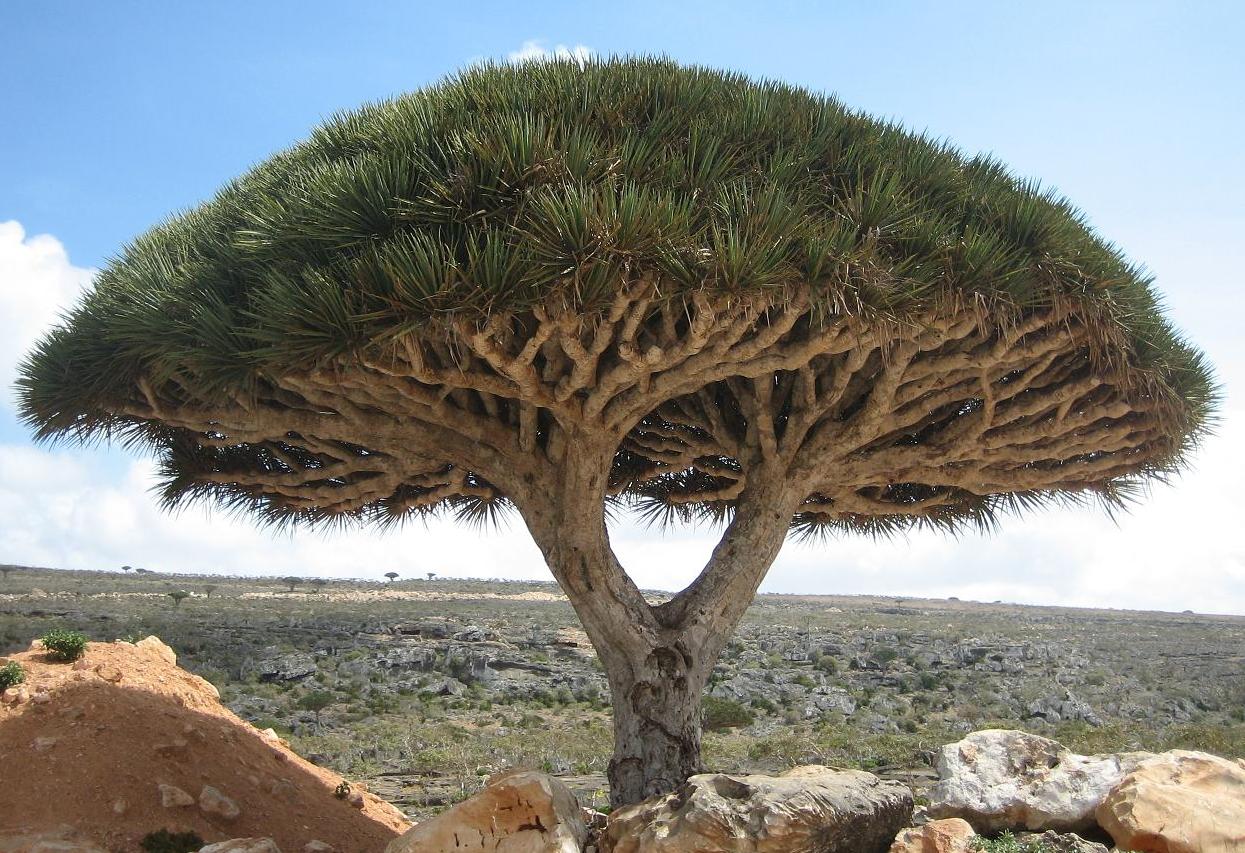
photo courtesy of Owlcation, Boriskhv, Wikimedia Commons
This week we’re looking at the Dragon’s Blood Tree, a very unique evergreen tree that grows in only one place, Socatra Island in the Arabian Sea and belonging to Yeman. The tree gets its name from the red resin that it secretes and this resin has been used for centuries for many different purposes.
According to legend, the first dragon blood tree was created from the blood of a dragon that was wounded when it fought an elephant. Like the unfortunate dragon, the tree secretes its resin when it’s injured. In ancient times the resin was believed to have magical and medicinal properties. People used it as a pigment for art, a dye, and a medicine. Dragon’s blood is still used for these purposes today.
The Dragon’s Blood Tree is absolutely unique in appearance.
The crown of the tree often looks like an umbrella that has been turned inside out. The fact that the branches are bare except at their tips adds to this illusion. The long and stiff leaves are born in bunches at the ends of the branches. Some trees have more rounded crowns than others and remind me of giant mushrooms instead of umbrellas.
The branches have a rippled appearance. They develop in a very regular pattern known as dichotomous branching. In this process, each branch produces two new branches arising from the same point. The process repeats to create the base of the tree’s crown.
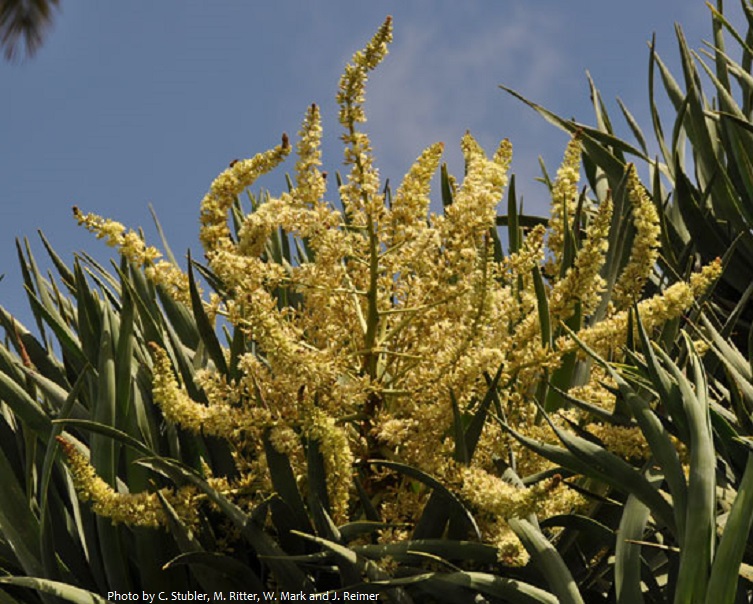
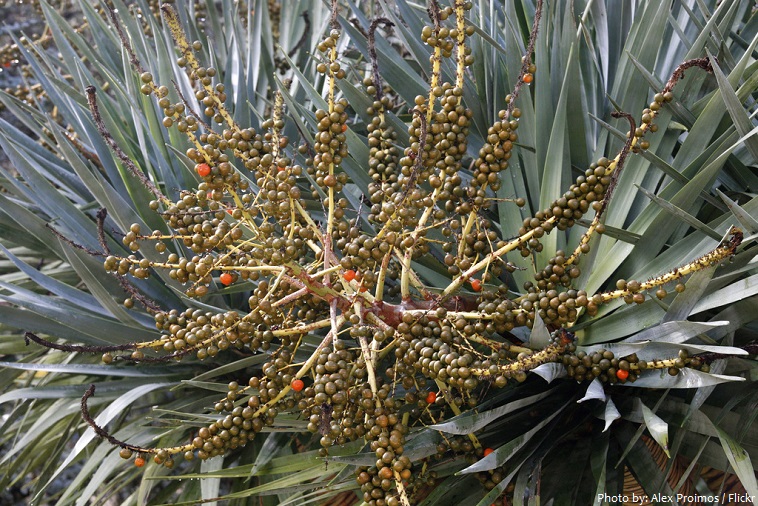
Like the leaves, the flowers are borne at the tips of the branches. The flowers are small and greenish-white in colour. They are located in groups known as inflorescences. The fertilized flowers produce green berries that change to black as they ripen and then to orange when they are fully ripe.
The Dragon’s Blood Tree grows slowly and is very long-lived. According to Just Fun Facts,
…can live up to 650 years and reaches heights of around 10 to 12 meters (33 to 39 feet).
The tree grows slowly, about one meter (3 feet) every ten years.
The dragon blood tree is a succulent, very hardy and drought tolerant. It enjoys warm temperatures and
sub-tropical conditions.Like other monocotyledons, such as palms, the dragon blood tree grows from the tip of the stem, with
the long, stiff leaves borne in dense rosettes at the end.It branches at maturity to produce an umbrella-shaped crown, with leaves that measure up to 60 cm
(23.6 in) long and 3 cm (1.2 in) wide.Leaves appear only on the ends of the youngest branches, last for 3 or 4 years, then fall off and are replaced by a new set.
The dragon blood tree flowers around February. The flowers tend to grow at the end of the branches. The flowers have inflorescences, and they bear small clusters of fragrant, white or green flowers.
The fruits take five months to completely mature. The fruits are described as a fleshy berry, which changes from green through black to orange-red when ripe. The fleshy berry fruit contains one to three
seeds. The berries are usually eaten and dispersed by birds and other animals.
Despite their hardiness the Dragon’s Blood Trees of Yeman are threatened by climate change and the encroachment of human populations.
The IUCN (International Union for Conservation of Nature) classifies the population status of dragon blood trees as “vulnerable”. Although there may be several factors putting the population at risk, the major one is believed to be climate change. Grazing by domestic goats, extraction of the resin, and using the tree for firewood may play a smaller role in the tree’s problems. Other problems may be the increasing amount of development on the island, especially the creation of roads, as well as the increasing number of visitors.
Socotra Island has a generally dry climate but experiences periodic monsoons. The crown of the dragon blood tree channels rain and mist water to its roots very effectively. Unfortunately, the climate of Socotra Island is becoming drier and the monsoons less reliable.
For more photos and information I encourage you to read the whole story at Owlcation and Just Fun Facts.
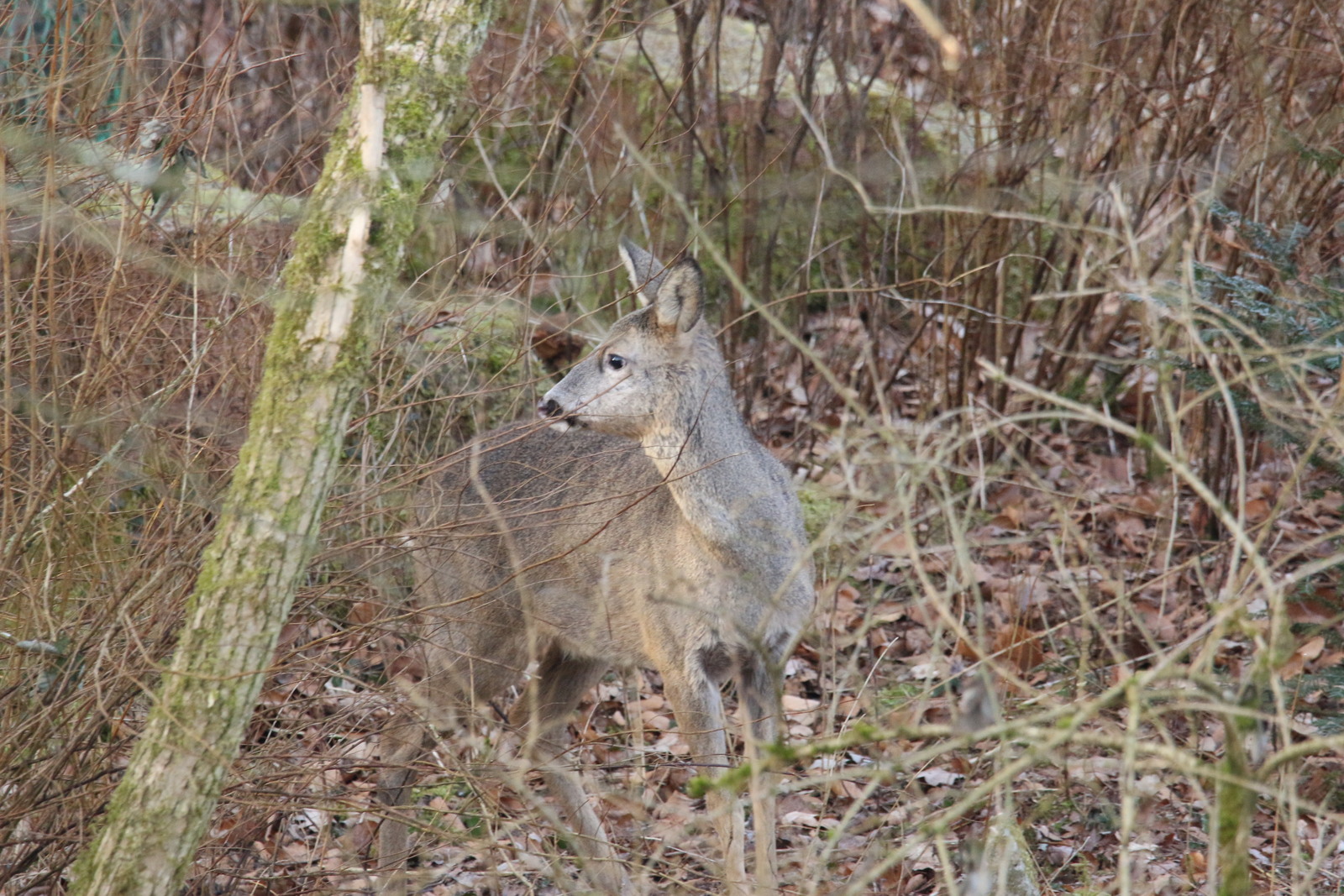
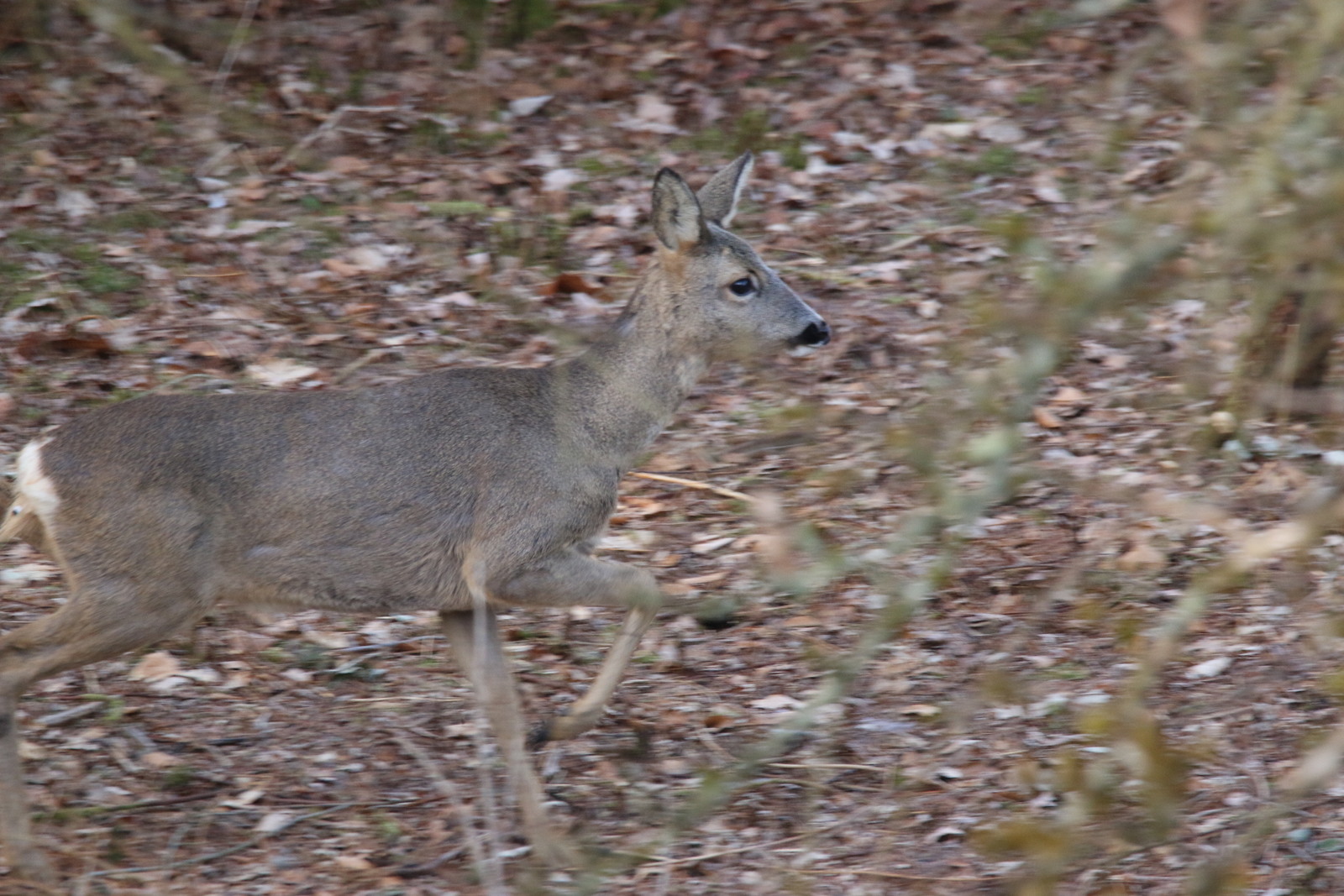
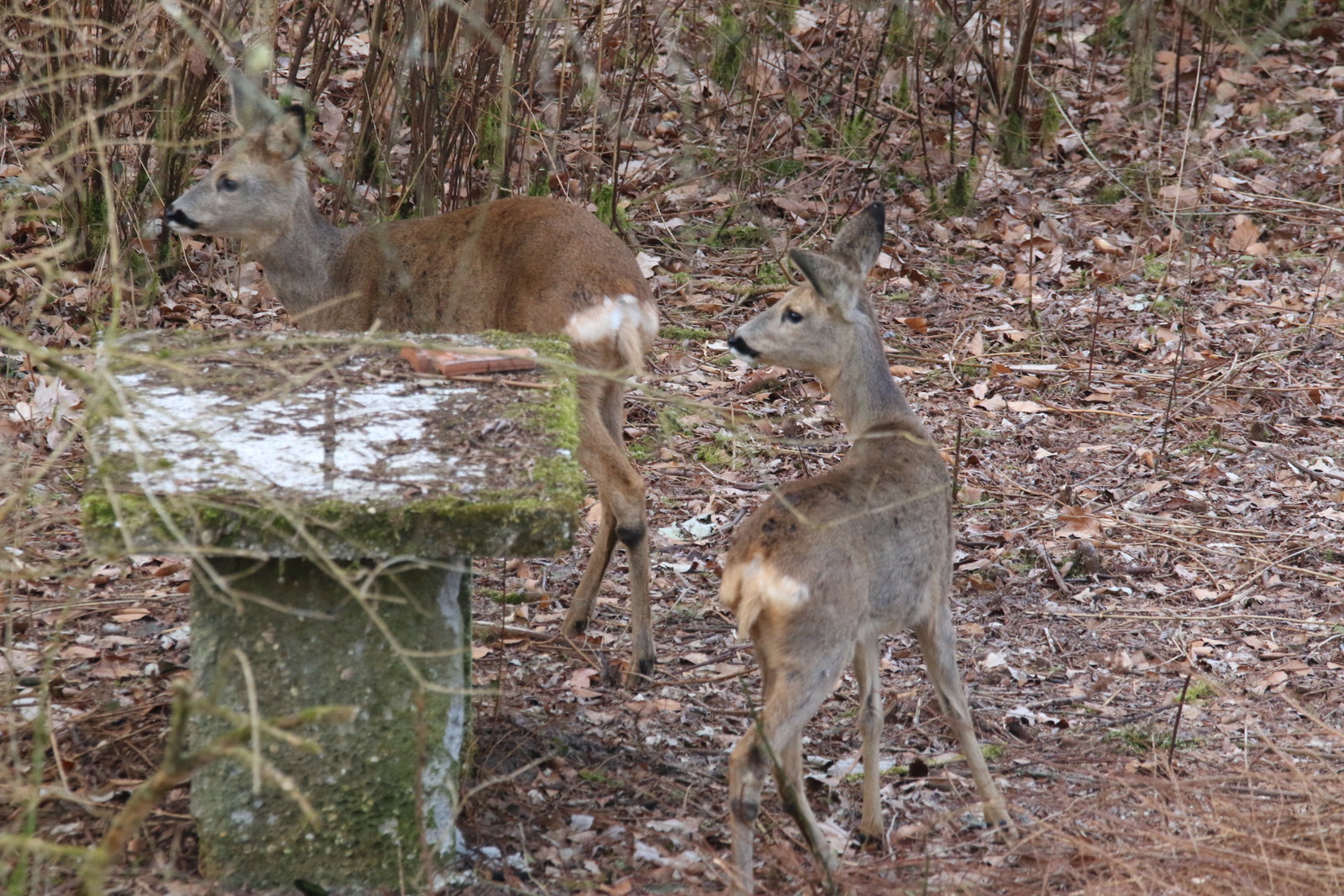
This morning a small group of deer visited the garden, probably the doe and last year’s youngsters. They went foraging a bit and when they wanted to leave, one of them had painted itself into a corner, with the absence of paint and a meaningful corner.
You have to imagine the gardens as one big rectangle cut into four parts. At the head of two of them, are the semi detached houses of us and our neighbour with the gardens that belong to the houses, both with fences (mostly) all around. Behind that are the two gardens we both rented from the city, only that ours is still a work in progress while our neighbour’s is basically abandoned, because tearing down the garden house would be much more costly than paying the rent. There’s only a partial fence between those areas, but the neighbour’s is closed to the woods while ours is open, which is where the deer entered.
One of the then went to the neighbour’s place and you can guess what happened, it didn’t find its way back. While mum and sibling were waiting on the other side of the fence, it took the youngster about half an hour to realise it needed to walk back towards the houses and cross into our garden so it could leave again.
They’re still cute.
© Giliell, all rights reserved
© Giliell, all rights reserved
© Giliell, all rights reserved

© Giliell, all rights reserved

© Giliell, all rights reserved
It’s amazing how well they’re hidden when they don’t move.

© Giliell, all rights reserved
Probably not a deer. Deer are shy. This one looked at me like it was contemplating my right to remain alive.

©voyager, all rights reserved
We had quite the storm around here last night. First the temp dropped from +3 to -5º C and then, just as the light was fading from the sky, the wind started to howl. It was a pretty steady howl too at about 40km/hr with big gusts of up to 120km/hr. And then, Cue the Snow. You gotta have snow, you know. Thankfully not much with this storm, just short bursts of that small, light snow that gets caught up in the wind and won’t settle on the ground. I couldn’t see farther than 2 houses down my street and when the wind gusted it actually looked as it the snow was falling sideways.
The wind is still howling this morning, but the snow has stopped and we only got a total of about 5cm of the stuff. There’s a lot of drifting, though, so shoveling turned out to be more challenging than I thought. It doesn’t help that our only shovel is too big for the porch steps and too small for the driveway. I keep meaning to get proper shovels, but I never seem to remember when I’m out. (aargh!) Jack and I did get out, though. We braved the cold and the ice and the wind and daydreamed about warm, green grass and the sun on our bare shoulders.
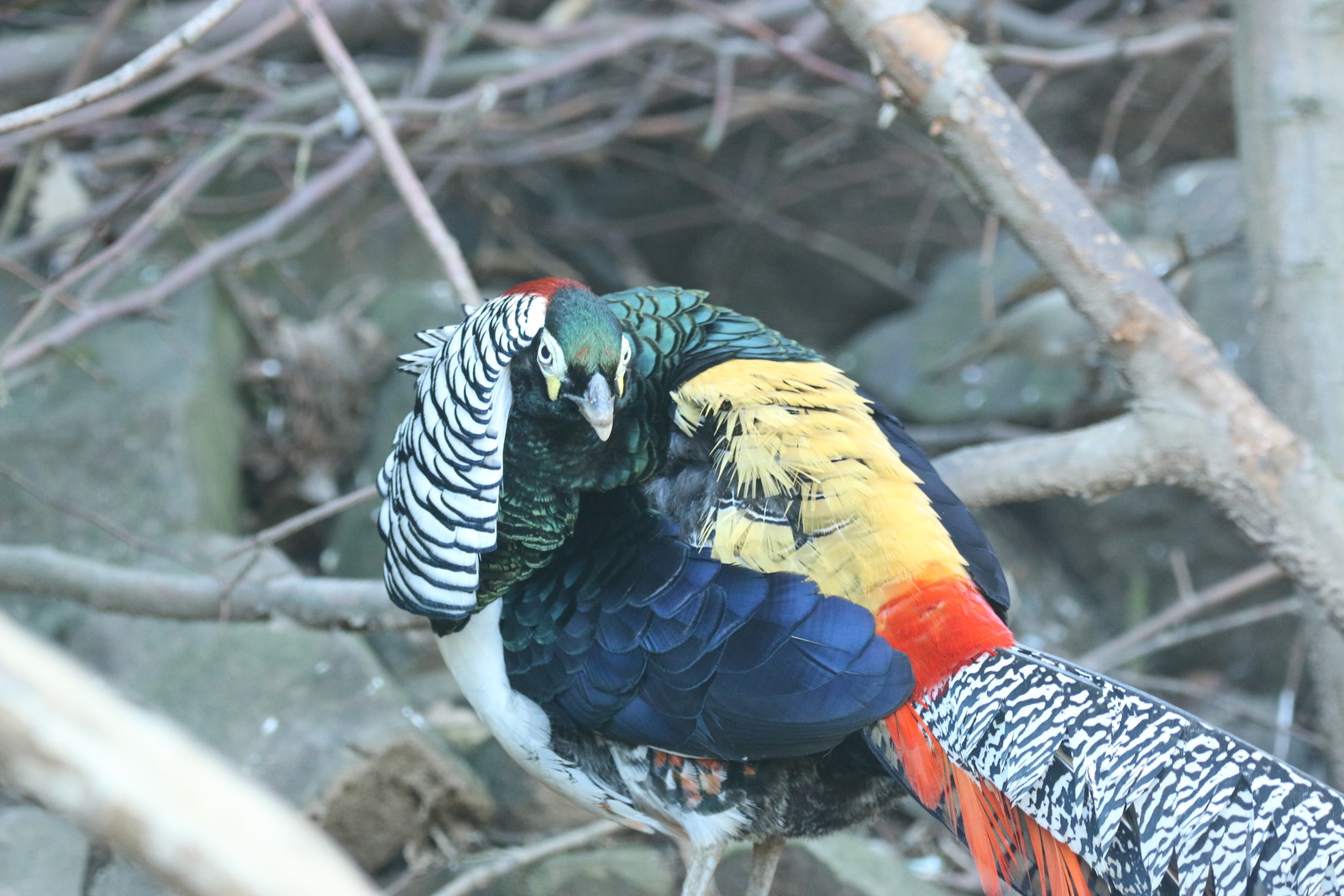
A pheasant, obviously. What kind? I should take pics of the labels, too.

© Giliell, all rights reserved

© Giliell, all rights reserved
© Giliell, all rights reserved

© Giliell, all rights reserved
If the early bird catches the worm what does the early bee get? Her picture taken, of course. This delightful early sign of spring comes to us from Avalus.
Walking home last Saturday I found the first bee of the year! She allowed for one photo and then took off. I hope for a good year for her hive!

First bee of 2019 ©Avalus, all rights reserved
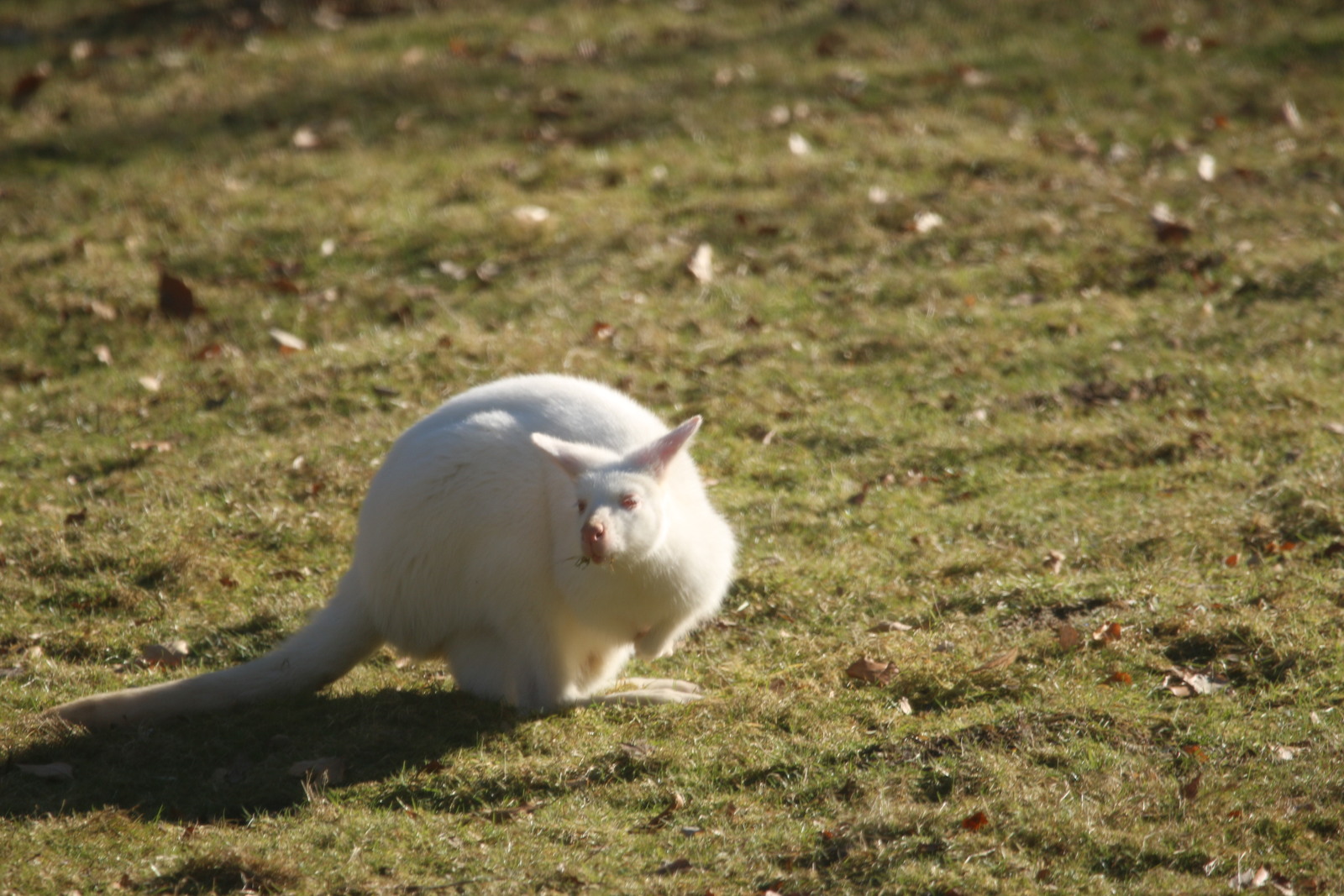
One of the sensations of our little Zoo is Flöckchen (little Flake), the albino roo.
It’s damn hard to take a picture because the camera has a hard time focusing on white (or black)
© Giliell, all rights reserved
Ice Swimmer has more rocks to show us and they are full of colour and pattern. Let’s go….
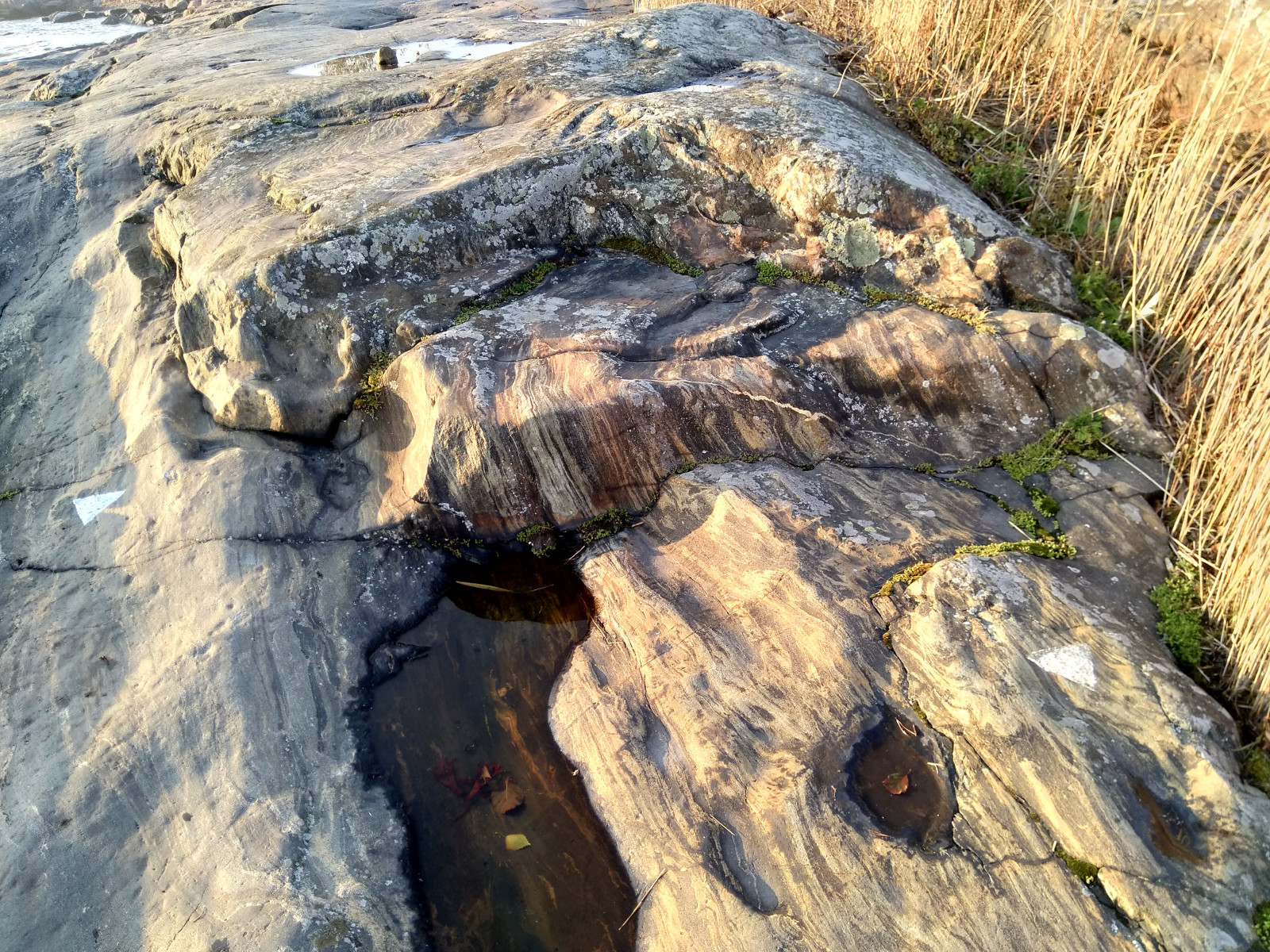
Details. ©Ice Swimmer, all rights reserved
This part of the rocks comes with stripey details.
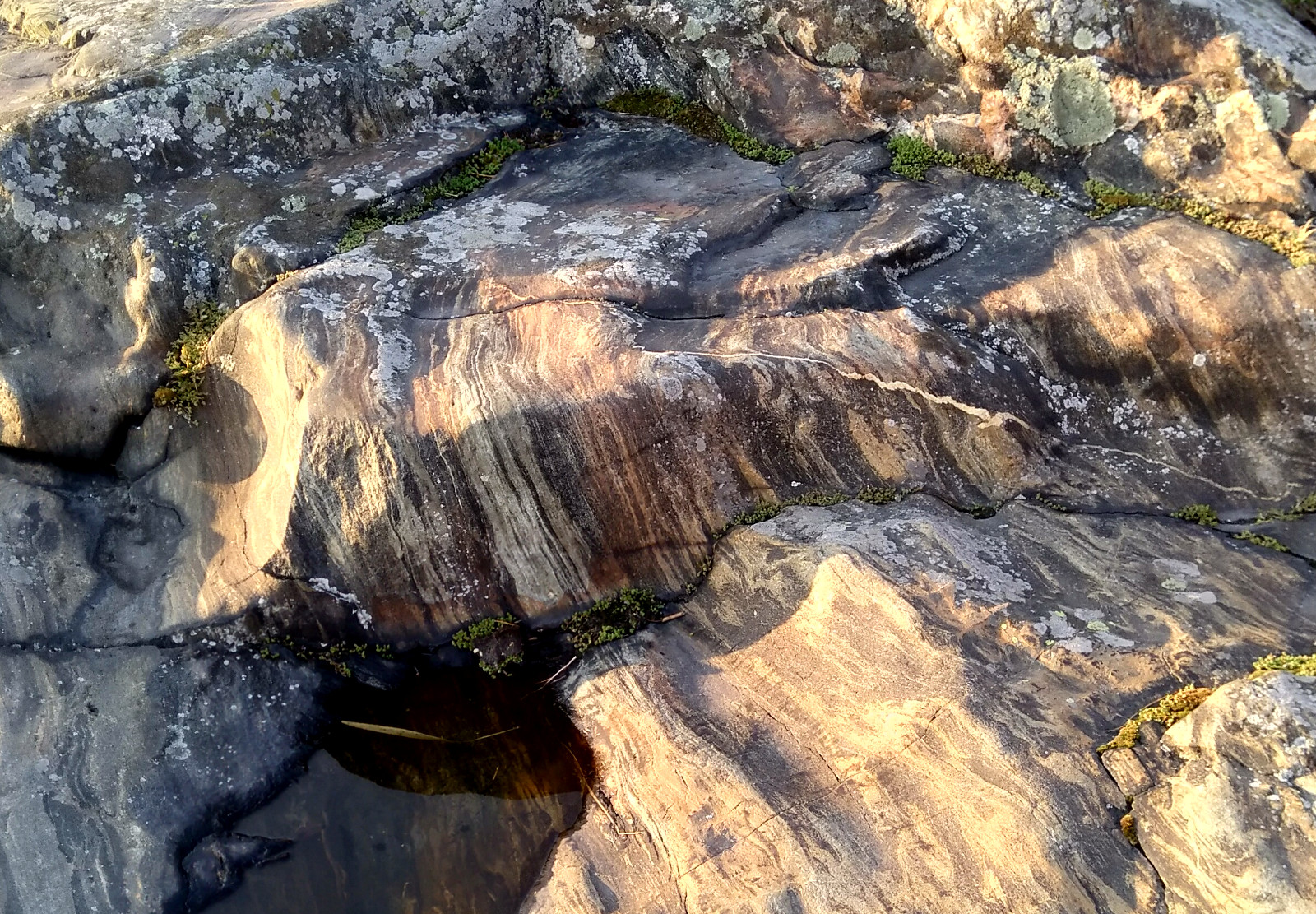
Detailed Details. ©Ice Swimmer, all rights reserved
Here is a more detailed look on the details.
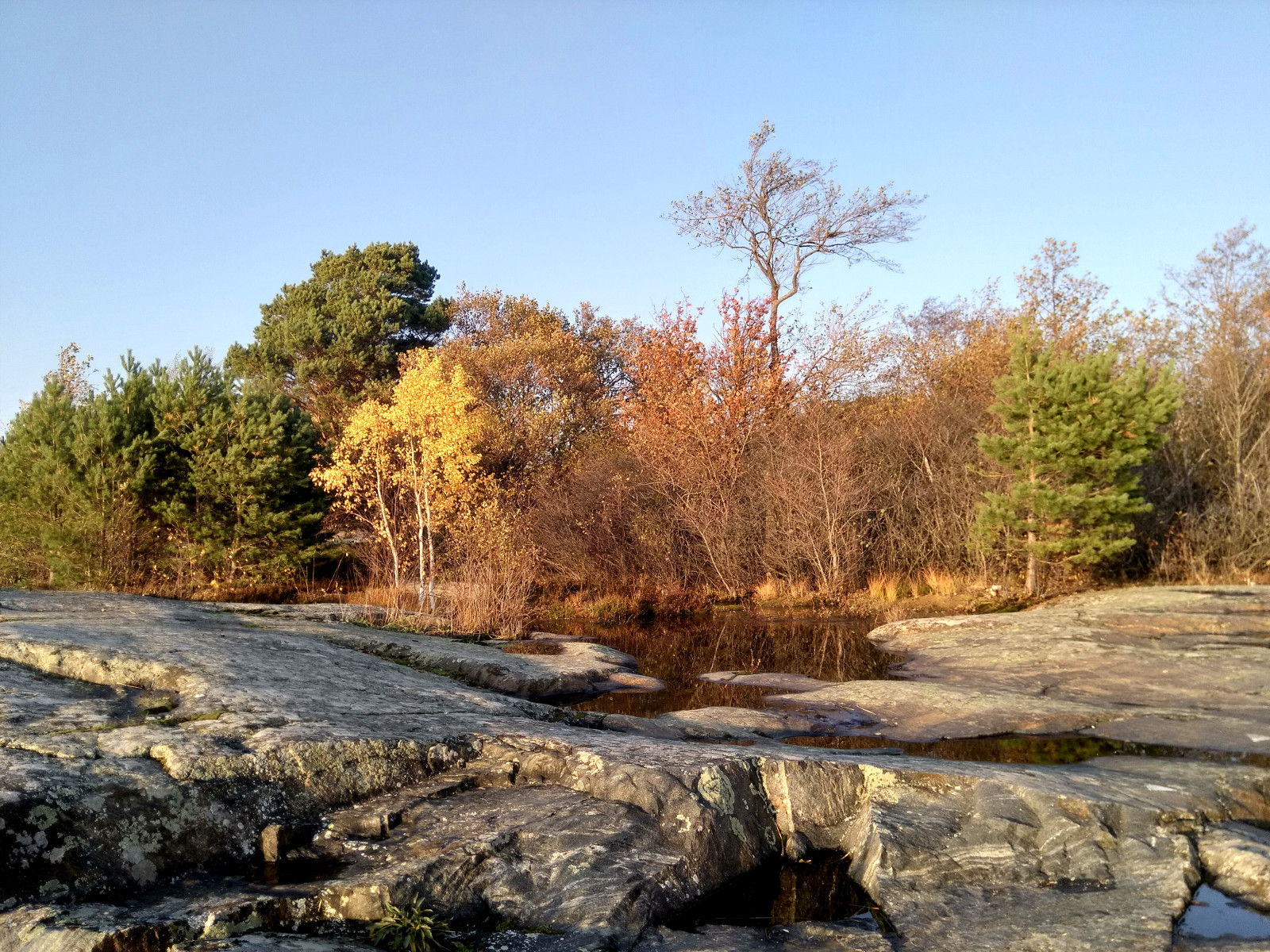
Decidous and Evergreen. ©Ice Swimmer, all rights reserved
Many of the broad-leaved trees were exhibiting their deciduousness while, the pines show their evergreenness all through the seasons.

Grain. ©Ice Swimmer, all rights reserved
The pattern is like figured woodgrain.

The Border. ©Ice Swimmer, all rights reserved
Humans are not welcome on the other side. Gulls and geese will keep watch in spring and summer. The dinosaurs were absent in October, but no human was seen trespassing.
In the next installment, we will have walked the path towards east (to the left of the last picture) and we’ll see something completely different.
The camels were doing something. We could not figure out whether they were fighting or about to have sex. The whole thing was slow and I hope at least they still knew whose head was whose.
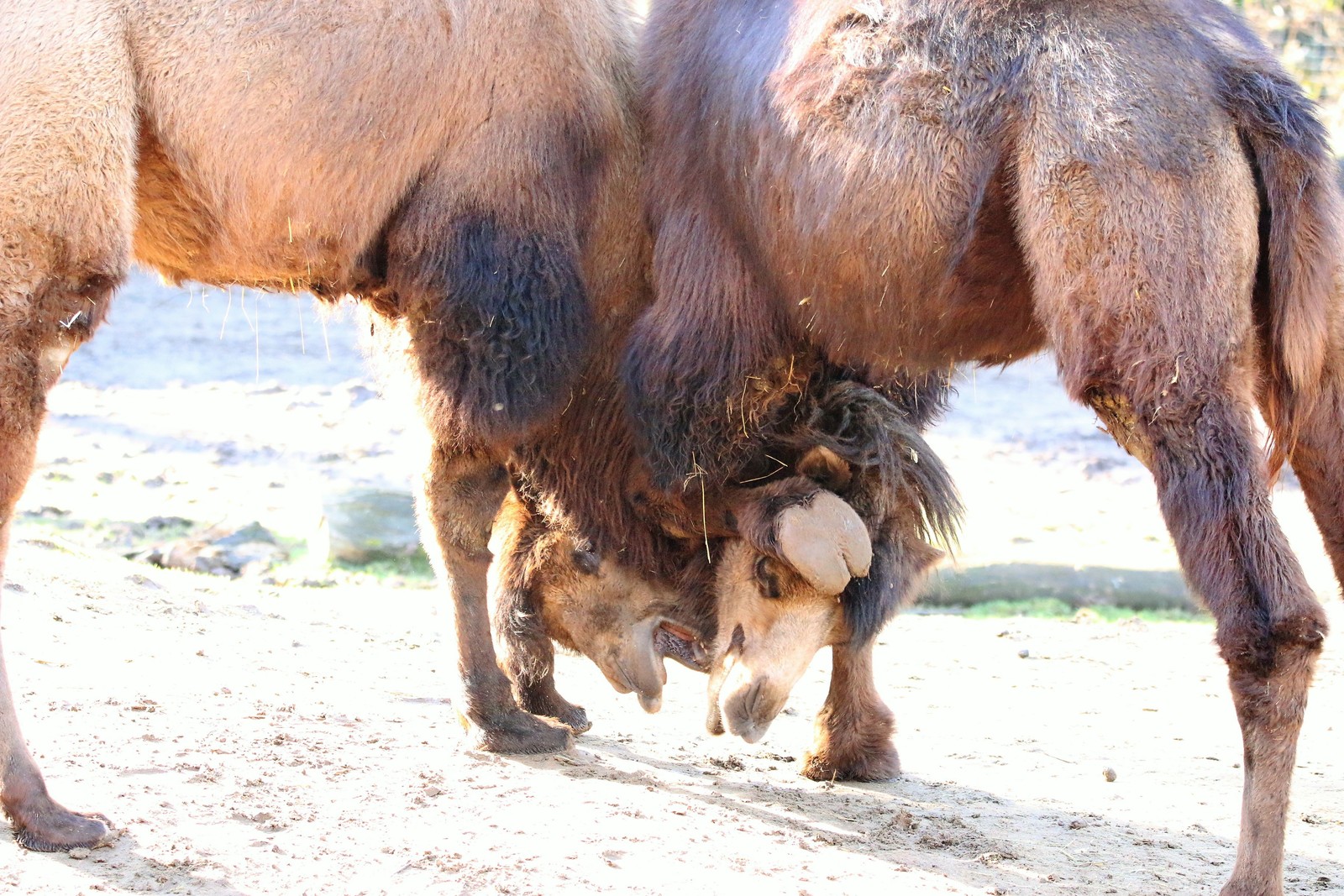
© Giliell, all rights reserved
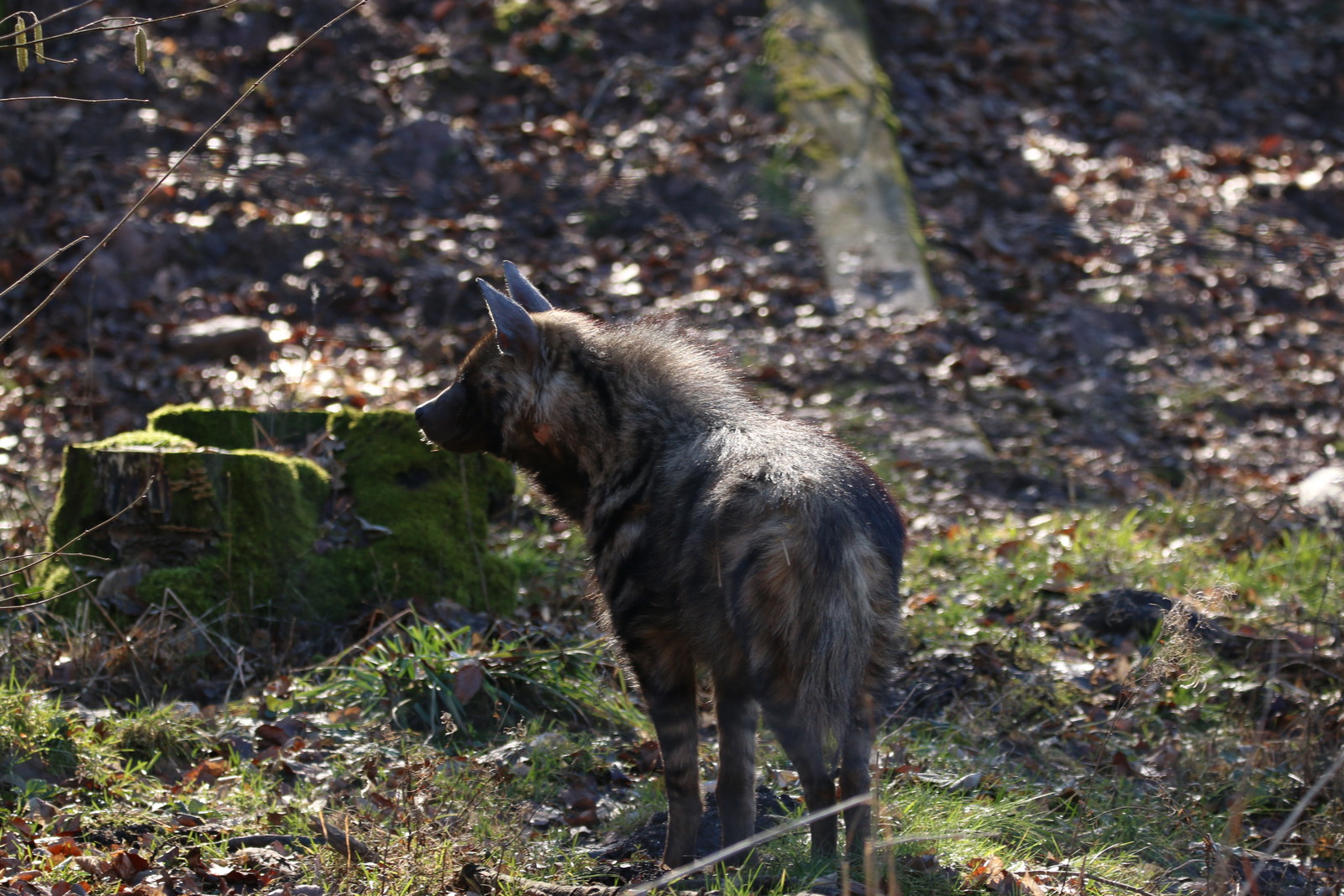
© Giliell, all rights reserved
Our most recent addition are a couple of striped hyaenas. I’m sorry, hyaenas, but nature was really mean to you. Is there any other big mammalian predator that isn’t also really cute? None that I can think of, except for the poor hyaenas.

©voyager, all rights reserved
The forecast is calling for warmer temps (+9º C!) over the weekend with rain. If it’s true, that should get rid of the rest of our snow and all the damned ice so that Jack and I can walk around our own block again. I don’t want to get too excited, though, because the warm is just a blip and not a trend. It’s supposed to turn cold again on Monday (-9º C!) and stay that way right through next weekend. Oh.
These photos were taken at Pittock Lake. The snow and the sand made these really interesting patterns and I thought I’d share a few with you. [Read more…]
It’s time for another walk with Ice Swimmer and he has more incredibly beautiful rocks to show us today

Surface. ©Ice Swimmer, all rights reserved
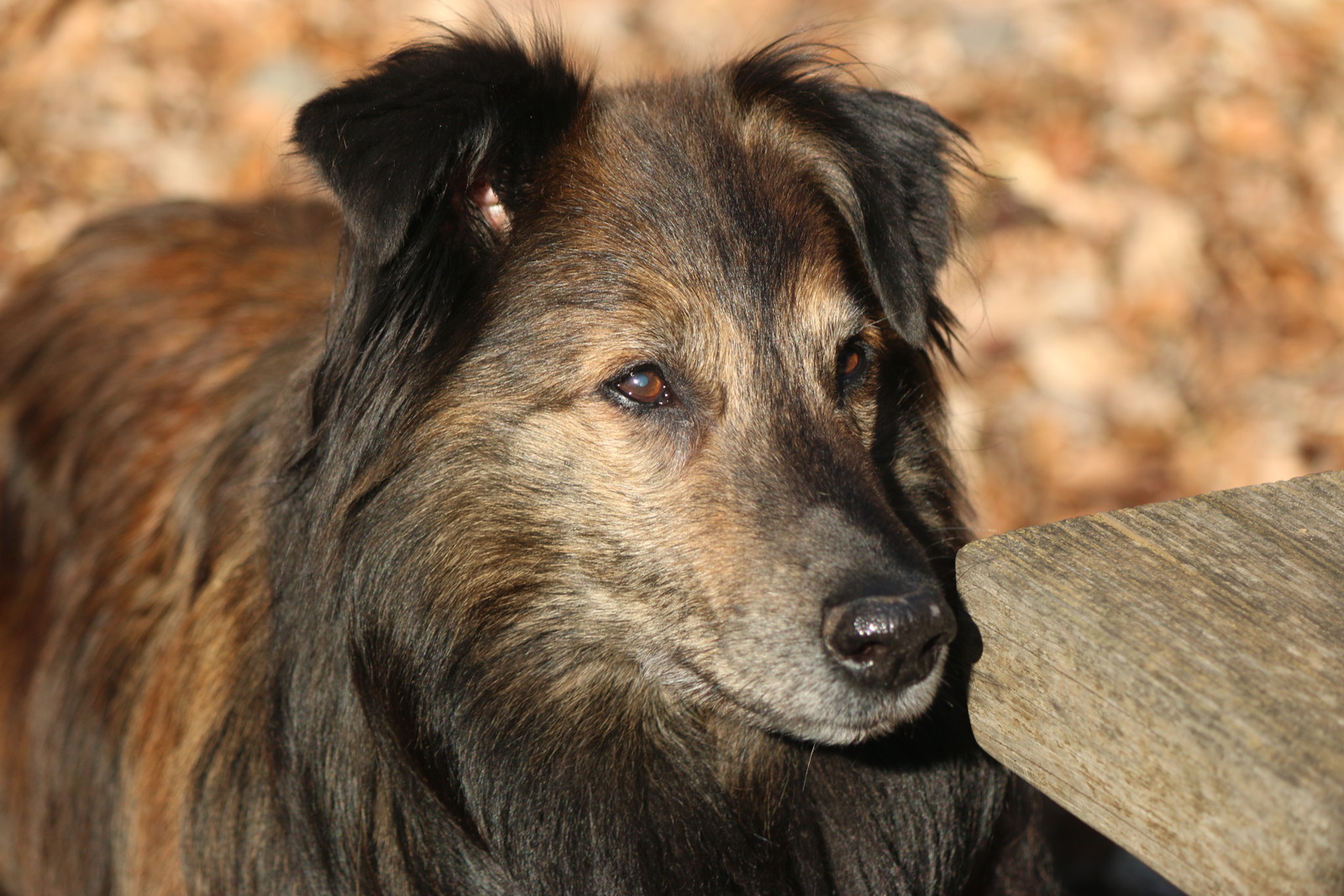
© Giliell, all rights reserved
Not Charly the Affinity author, obviously. He’s seriously getting old and everybody is dreading what lies ahead. He’s one year older than #1 and our kids and our friend’s kid all grew up with him herding them.

© Giliell, all rights reserved

© Giliell, all rights reserved
Fun with the wide angle lens

© Giliell, all rights reserved