Click for full size.


© C. Ford, all rights reserved.

Click for full size.
© C. Ford, all rights reserved.
Hanhi.
Finnish for goose. These are barnacle geese (valkoposkihanhi, white-cheeked goose). Hanhi used to be a common word for all waterfowl. Barnacle geese love to graze on human-made lawns and grassy areas, eating (and pooping) like horses.
Click for full size!
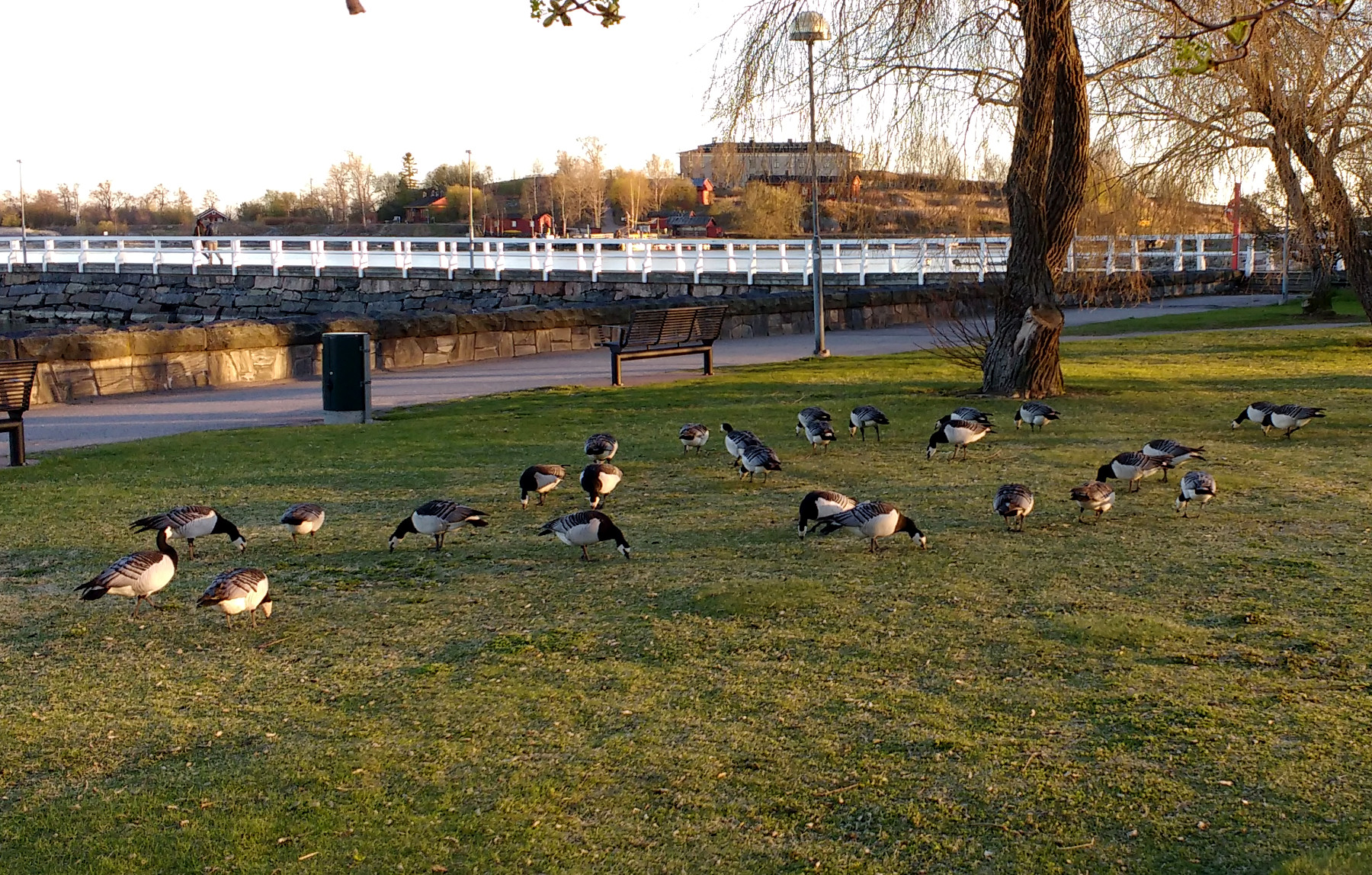
© Ice Swimmer, all rights reserved.
I remember the days of watching Soviet military parades on the evening news. The route always went through Red Square and I grew up thinking that the square was so named because of the connection between communism and the colour red. I could not have been more wrong. In Russian, the name Red Square translates to “Beautiful Square” and the place is indeed very beautiful. The entire square has a fairy tale feel about it and is entirely majestic. It is bordered on all 4 sides by iconic Russian buildings erected during the Imperial days of the country. The building that everyone is the most familiar with is St. Basil’s Cathedral, built in 1552 by Ivan The Terrible. Its candy coloured onion domes are emblematic of Russia herself.

St.Basil’s Cathedral
Directly across from St. Basil’s is the Russian State Historical Museum. It was built in the late 1800’s especially to house over 4 million state treasures ranging from fossils to fine gems and everything in between.

Russian State Museum
Beside the sate museum resides the Upper Trade Rows, better known as the GUM department complex. It is known for its glazed roofs, interior bridges, fountains and galleries. Today it houses the finest of designer stores and is very exclusive.

GUM Department store

Interior, GUM department store
Finally, the last side of the square is occupied by the fort wall of the Kremlin.

Kremlin with Lenin’s tomb
In this photo you see Lenin’s tomb in the foreground, then the central nexus of the Kremlin Fort wall and finally one of the main buildings of the Kremlin in the the background. Lenin’s body is still on display and open to visitors everyday except Sunday, which is, of course, the day we were there.
Link to previous post – Russian Adventure
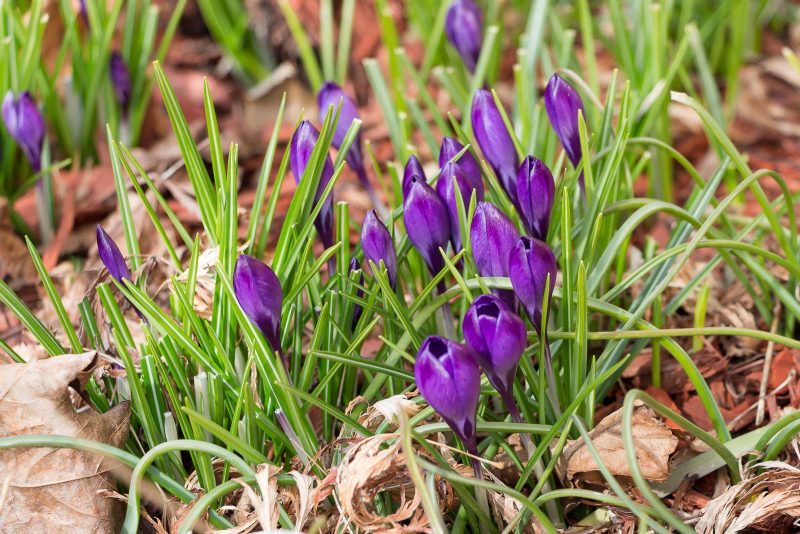
It took some searching, but today we finally found a few spring flowers; one lonely snowdrop and a few brave crocuses. The weather remains cold here with temperatures hovering around zero and no change in sight for another week. Ugh!

Gammal.
Gammal is Swedish for old. The museum tram was made 1909 by the Swedish company ASEA and the open trailer is from 1919 and made by a shipbuilding company in Helsinki. Both have been restored in Estonia. There are museum tram rides on Sundays in the summer, starting from this place, in the Market Square.
The tram was taken out of service in 1957 and the trailer in 1952. The tram model is called pikkuruotsalainen, little Swede, as it’s quite a small two-axle tram.
Click for full size!

© Ice Swimmer, all rights reserved.
From Nightjar, click for full size!
© Nightjar, all rights reserved.
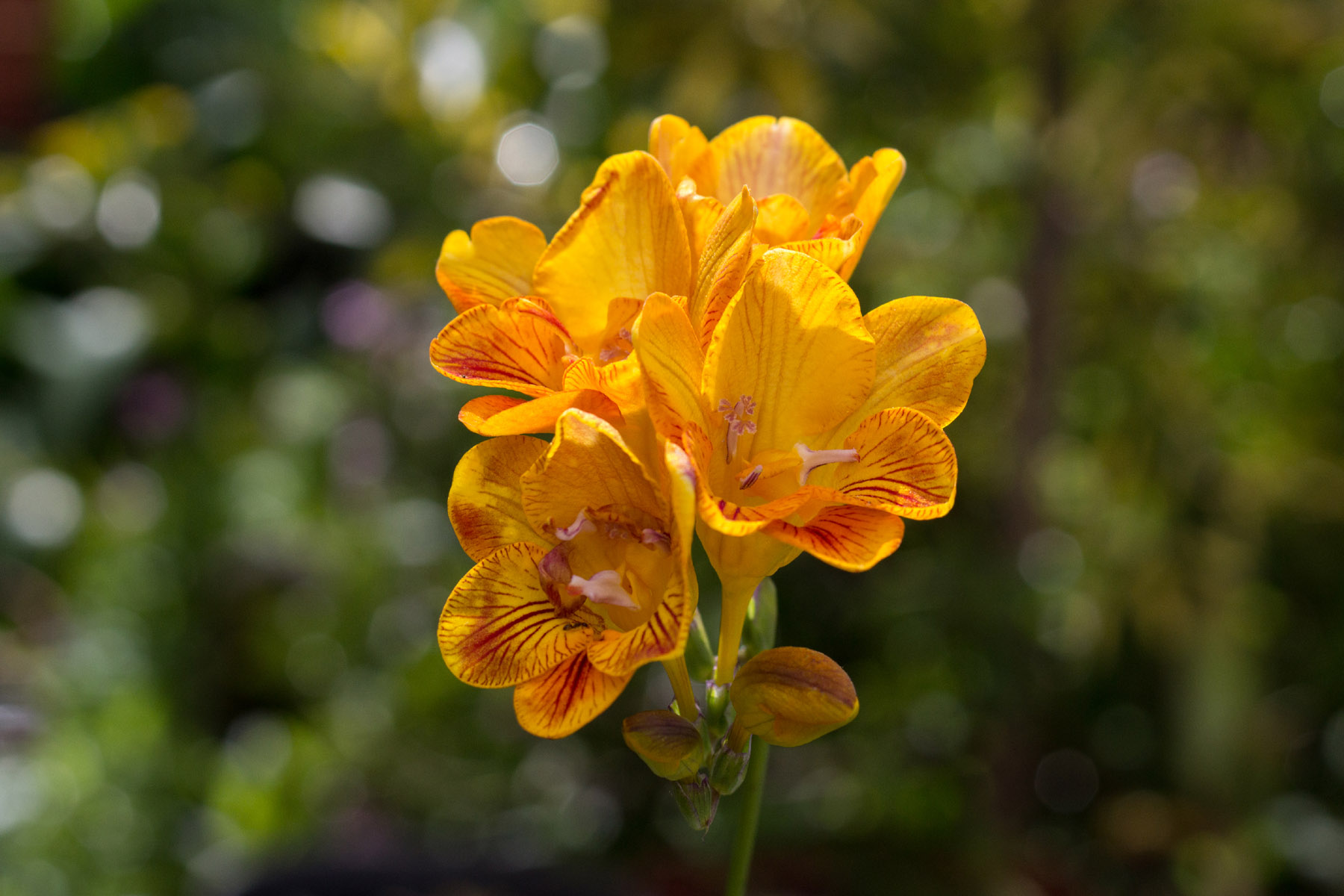
From Giliell, click for full size. What a little beauty!

© Giliell, all rights reserved.
I think this is Turkey Tail fungus. It was about the only green thing I could find today in the woods.

But I really did not enjoy the task.

©Charly, all rights reserved.
My father has planted this tree for me when I was about 10 years old. I liked cherries back then. Now I cannot eat cherries any more, because for some reason they cause me hypoglycemia which is really unpleasant. But I enjoyed the blossoms in the spring nevertheless, I always looked forward to them and I did not mind the birds eating all the fruit at all.
I did not take any pictures with my new camera last year, so I can only share pictures that I made with the old one in 2012.
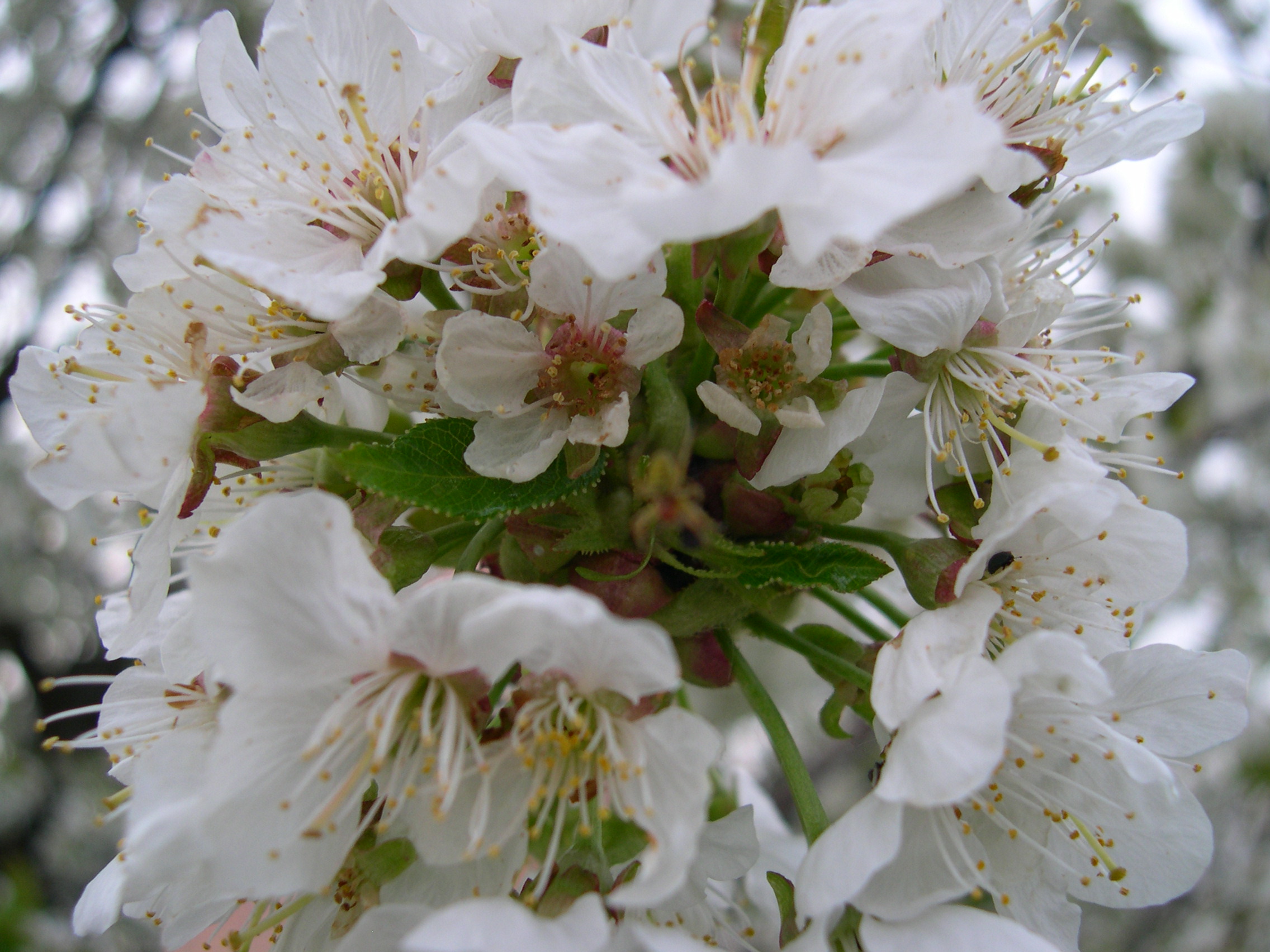
©Charly, all rights reserved, click for full size.
Last fall mushrooms sprouted on the trunk and that is a really bad sign. There are two kinds of wood in a tree – sapwood, which delivers nutrients from roots to the crown, and heartwood, which is usually more dry and dark and is essentially blocked off and completely dead. Accordingly, there are two types of fungi that can attack wood on a living tree – ones that attack the sapwood, and ones that attack the heartwood. Have a guess at which of these two is more dangerous.
If you like me during my studies guessed those that attack sapwood, you guessed wrong. Fungi that attack sapwood will cause the tree to wither and eventually die, but the tree remains standing relatively intact afterwards for long enough to be felled safely. However fungi that attack heartwood are more insidious – the tree can grow for many more years at absolutely normal rate without anything really visible on the outside. And then, when enough heartwood has rotten away, a branch will suddenly snap, or a the trunk will spit or break. And this of course is dangerous, because to an untrained eye the apparently healthy tree is essentially a ticking bomb that can kill someone at any time – which is something that has happened in CZ a few years ago and it has made the headlines. Heartwood is dead and dry, but it still has a function – it is the scaffolding that holds the tree upright and together.
This tree has developed a split in the trunk at about 10 years age. We were doing our best to keep fungal infections away, but the split never closed off and we were evidently unsuccessful in the end. I was not able to take a good picture of the mushroom, because it lasted only a few days, none of which was on a weekend. I was unable to determine the exact species too. But I was confident enough in assessing that it is a heartwood eating fungus. So I decided to fell the tree before it becomes dangerous to do so. The tree was huge, so all winter I have cut branches when I could. They were all still healthy and I started to have doubts. But this friday I have finally cut the trunk right above the ground and my assessment of the situation was confirmed. The fungus has already invaded the inner 10 years growth and was spreading. The tree would probably live a few more years, maybe even a decade, but I do not think it was worth the risk, since I do not know how fast the fungus spreads.
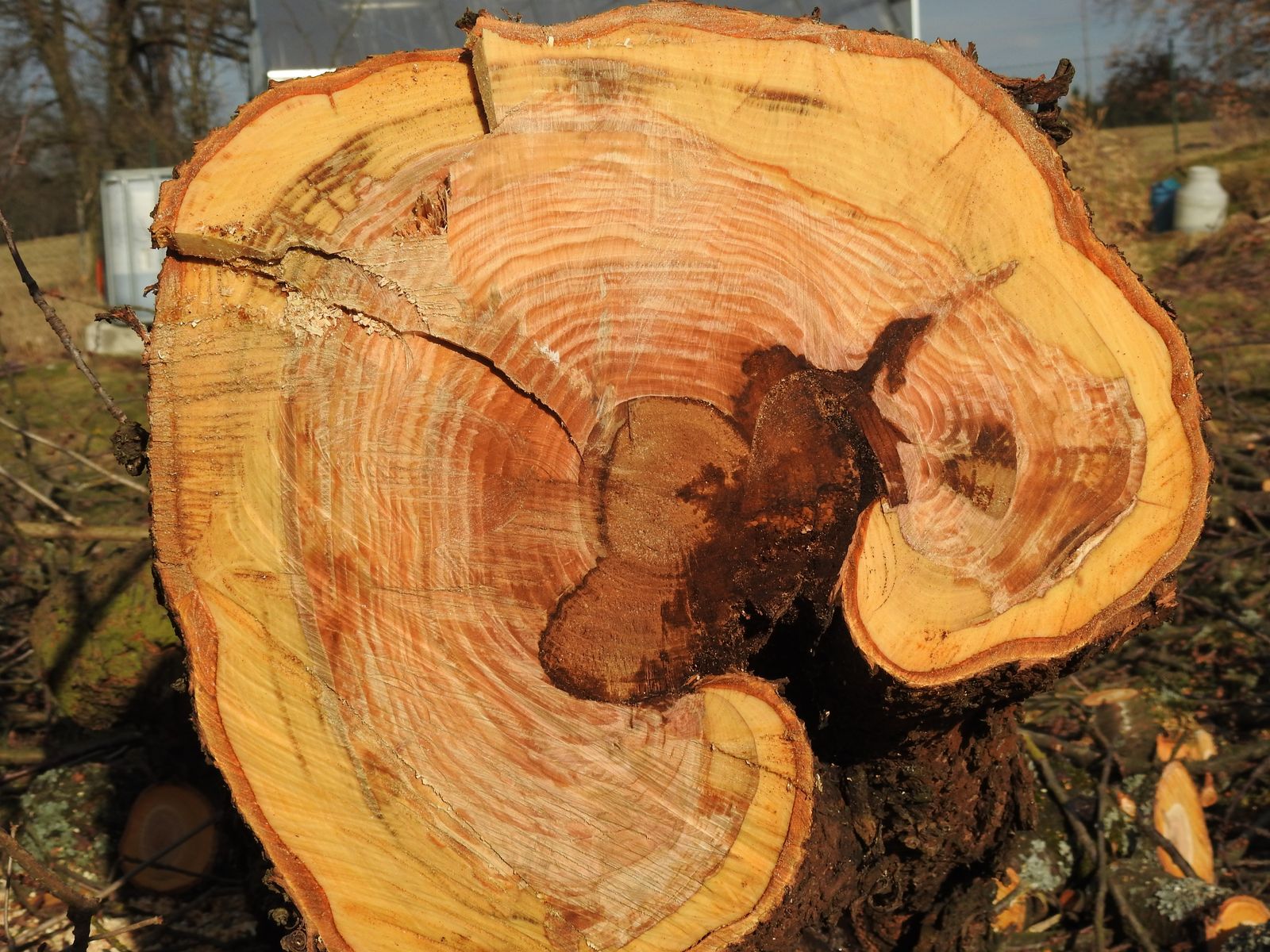
©Charly, all rights reserved, click for full size.
I have felt real connection with that tree. I was hoping for it to live longer and age with me. If I ever feel something that could be described as a spiritual experience, it is in the presence of a tree in the spring.
I will plant a new cherry tree on the spot as soon as possible.
Frozen.
It was Mid-January 2018 and the sea was starting to freeze for real, first in the more enclosed bays like Töölönlahti, which is in the middle of the Helsinki Peninsula. I was on my way to sauna, and wanted to take a few photos. The sea had been a bit higher when it froze, so some rocks had broken through the ice when the sea level sunk.
The bonus picture is edited from the same original, getting both the rocks and the other shore in the same picture just didn’t work. The cliffs are Linnunlaulu cliffs and the white building with the tower is Villa Kivi, a home for writers (more specifically members of the Union of Finnish Writers). In the distance one can see the dome of the (Lutheran) Helsinki Cathedral.
Click for full size!


© Ice Swimmer, all rights reserved.
Basil on a bookshelf.

© C. Ford, all rights reserved.
From Giliell, click for full size!


© Giliell, all rights reserved.


