January Light

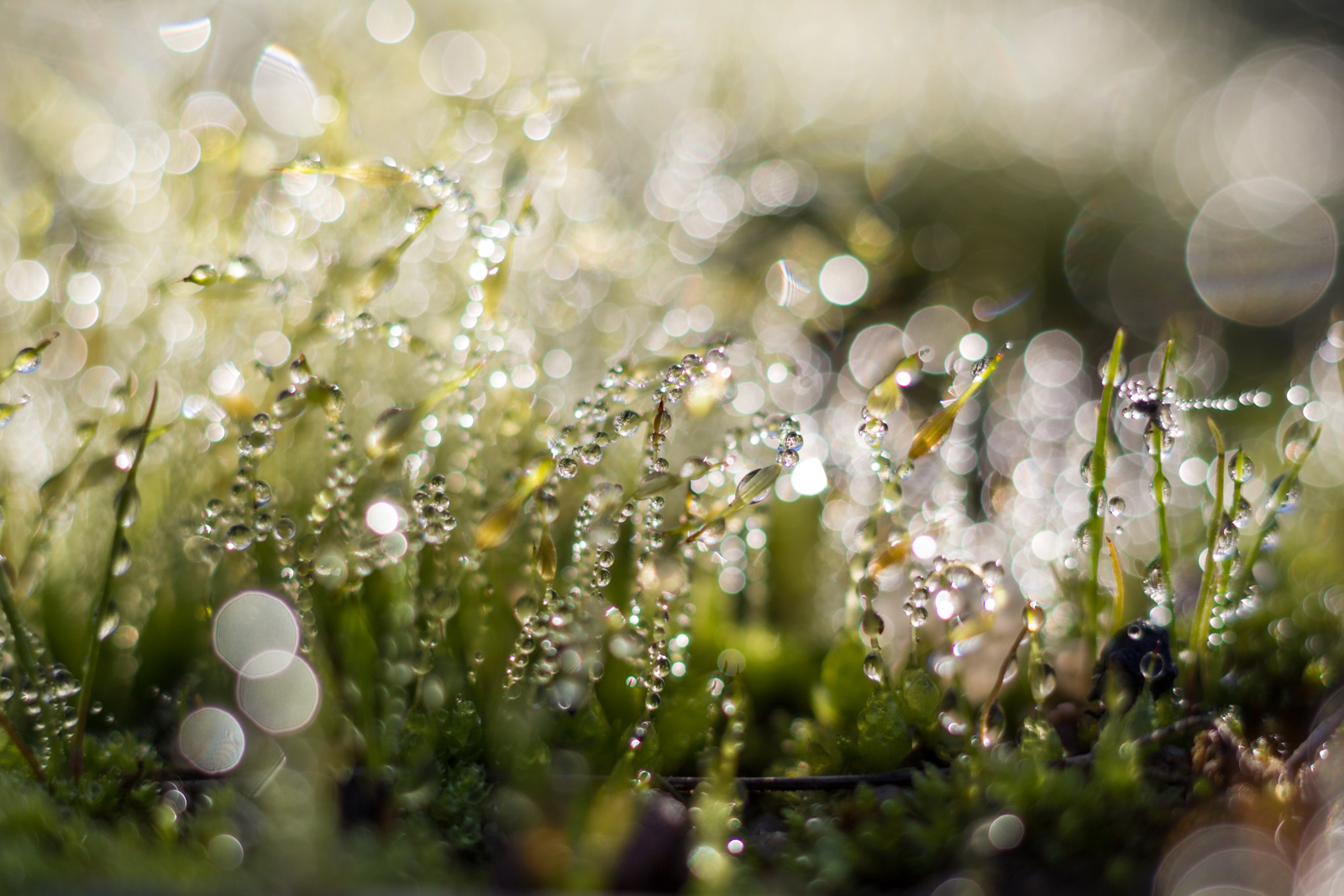
Nightjar has been stalking the light with her camera again and here is her feature for the month of January.

January Light can be as bright as it gets when the sun is shining and dew is reflecting sunlight in all directions. The first three photos show this very well and illustrate what sunny January mornings are like here. But January can be rainy and cloudy too, with the subdued light and soaked forest producing a very different mood. On rainy days colours aren’t bright, but they are quite saturated and rich as the last three photos show. Whatever version of January Light we get, green is ubiquitous and irresistible.

©Nightjar, all rights reserved

[Read more…]

Harakka in Autumn: Chapter 1

It’s time to go for a walk with Ice Swimmer in the latest chapter of his series.

Chapter 1 – Rocks in the South on Saturday

The Path on the Rocks in the South. ©Ice Swimmer, all rights reserved

On Harakka, humans are supposed to be restricted to the roads, paths and other designated areas. On the rocks, stones or painted triangles mark the paths. [Read more…]

Harakka Island in Autumn: Introduction

We’re starting a new series today from Ice Swimmer. It’s a follow-up to his series last fall Harakka an Island and it’s full of colour which has been missing from my part of the world for months.  I invite you all to sit back and enjoy as Ice Swimmer takes us on a tour.

Introduction: Approaching and Arrival on Saturday

This series is about the island Harakka in Helsinki. I revisited Harakka in October 2018, about three months after the first visits in July 2018. As in July. I actually went there twice. The first visit in October was on Saturday afternoon and the second was the next day, Sunday, also in the afternoon.

1. Harakka in Autumn. ©Ice Swimmer, all rights reserved

[Read more…]

Surrounded by Rocks: An Exploration Series, Chapter 10

It’s time for the next chapter in Nightjar’s series.

Chapter 10 – West Hill: A Tiny World, Part 1

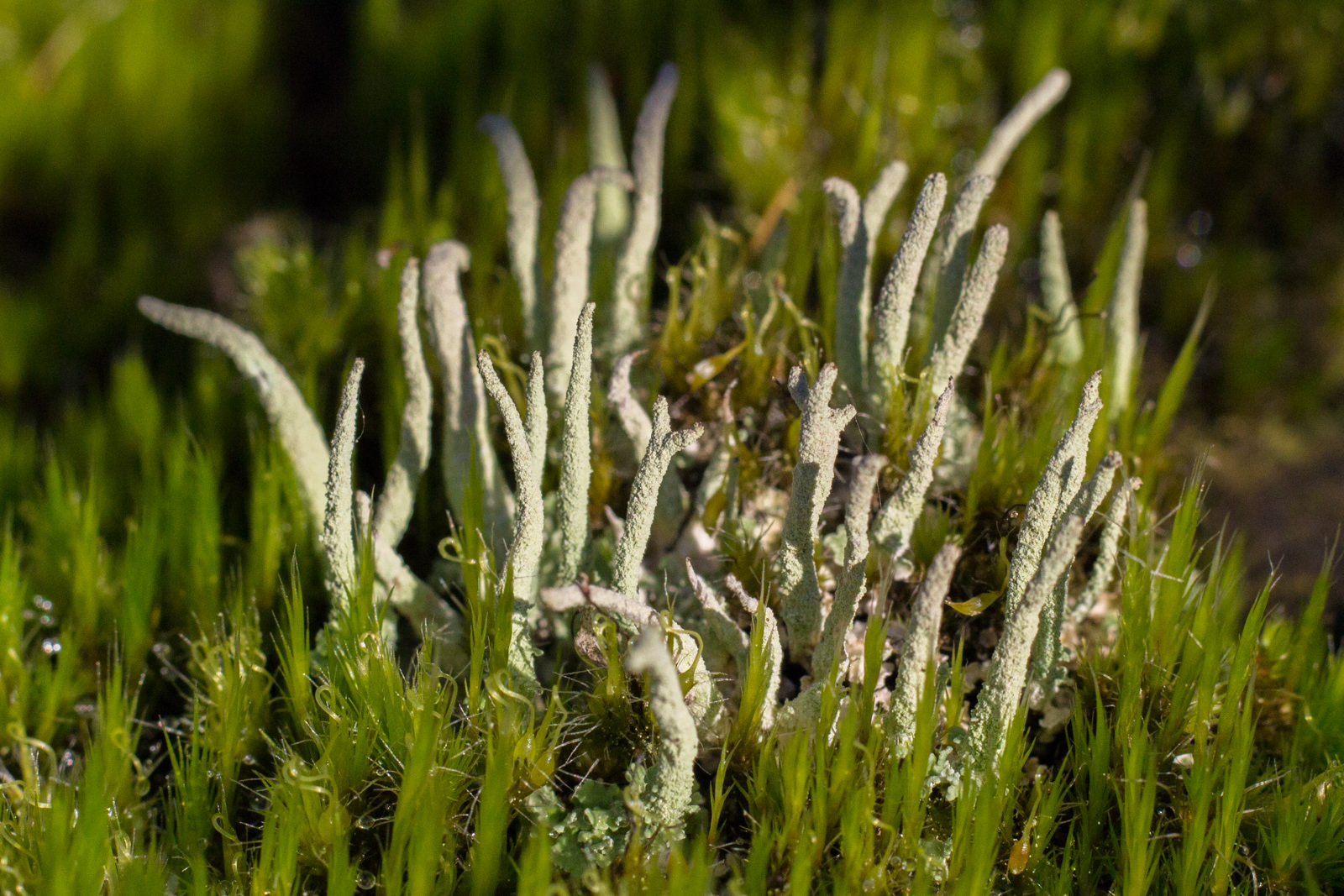
I often amaze myself with the amount of time spent and number of photos taken without looking past a square meter of space. A love for macro photography tends to do that to people, I guess. Coming down the West Hill I noticed a patch of moss and lichen. It was a small patch, but with so many things going on. Enough to fill the last two chapters of this series. First, I was fascinated by tiny lichen.

©Nightjar, all rights reserved

[Read more…]

Surrounded by Rocks: An Exploration Series, Chapter 9

Nightjar has more rocks for us in the next chapter of her series.

Chapter 9 – West Hill: Quartz

There are quartzites and quartz veins on this hill, but this path isn’t the best to see quartz veins. Still it is easy to find bits of quartz here and there. Quartz hunting is always fun (although if you are like me it tends to mysteriously fill pockets).

©Nightjar, all rights reserved

[Read more…]

Sex, Torture and the Nazis

Well, if you came here for sex, or torture, or Nazis, I am not sorry to disappoint you. I just stole that title from the CBC article featured in this post.

Instead, I want to talk about Norm Eastman. For someone whose art was so ubiquitous, there is surprisingly little information to find – some sources even label him an American artist. He is, however, Canadian – the CBC story is fairly short, but it provides interesting insight into an artist whose art is simultaneously recognizable and somehow obscure. I think part of this obscurity is due to the perceived anonymity of many cover artists, especially those working in pulp fiction (that is, not ‘literature’, according to… someone). Well, perhaps with time, notoriety – or at least, recognition – eventually follows:

Few people would have guessed that shy, unassuming Norm Eastman — born in St. Stephen [New Brunswick] and trained at Mount Allison University — was one of the top illustrators fuelling the fantasies of a generation of young men.

“We used to hide those illustrations under the bed or in the closet,” said Jane Eastman, Norm’s wife of 27 years.

“He thought it was funny. Norm probably was the most moral person I’ve ever known, he really was. It was a matter of being able to afford a loaf of bread and peanut butter to eat.”

Times sure do change. In 2019, original Norman Eastman illustrations can sell to collectors for as much as $15,000.

But how Eastman’s bodice-ripping illustrations made it from small-town New Brunswick into the hands of millions of readers is a story that remains, for the most part, untold.

Pause here, because I would like to point out that Eastman was certainly talented – I particularly like this one, one of his early self-portraits:

Portrait of the artist as a young man: a self-portrait in oils Norm Eastman painted in 1952 as his final project in the fine arts program at Mount Allison University. (Submitted by Owens Art Gallery ) From the CBC link.

I like his feel for light and shadow, all those detailed accents and reflections. His style here reminds me of someone well-known, but I can’t for the life of me say who. Anyway, moving on:

In 1958, Eastman brought his portfolio to the iconic U.S. artist Norman Rockwell, who said Eastman’s art was “of very high quality” and encouraged him to move to the United States.

Eastman took Rockwell’s advice — and in 1959 moved to New York City, where he rented a studio in an badly heated, roach-infested warehouse. Breaking into the publishing scene was slow going.

“He was very poor in New York,” his wife said. “It was really, really poor living.”

He got his first big break drawing for men’s magazines — but the subject matter was fairly predictable.

“They wanted beautiful girls, big bosoms and torture,” Jane said. “But never show the girl grimacing. She’s always got to be pretty.”

That last line there. How tenacious these ideas can be.

[Read more…]

Surrounded by Rocks: An Exploration Series, Chapter 8

Calling all rockhounds…Here’s Nightjar with the exciting next chapter in her series.

Chapter 8 – West Hill: Phyllite rocks!

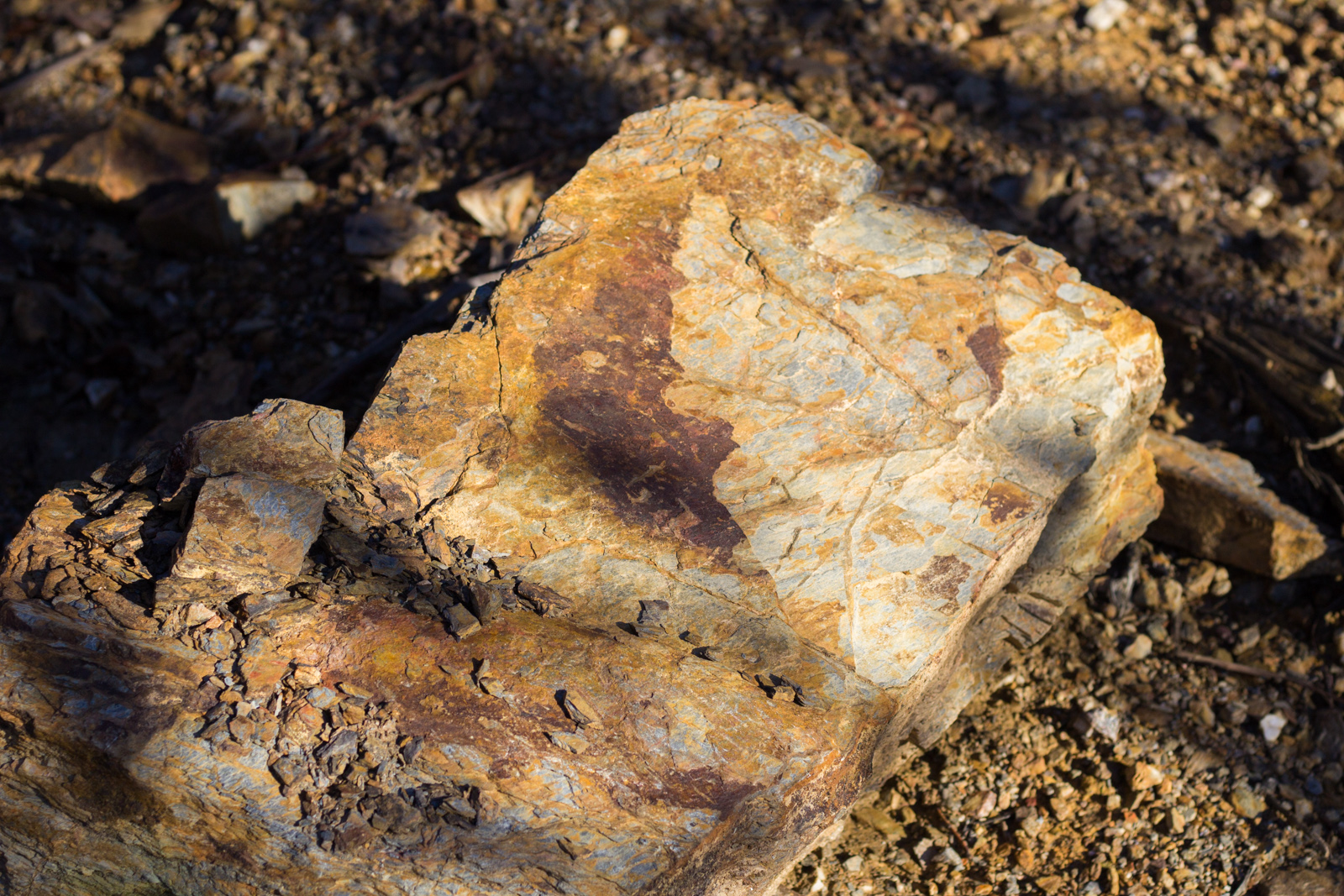
It’s not only the vegetation that is different here, the rocks are very different too. We left sedimentary rocks behind and we are now in the domain of metamorphic rocks. Mostly phyllites. Phyllite is a metamorphic rock originating from shale sediments, it’s soft and highly foliated, easy to split into sheets, and it smells of clay. The most wonderful characteristics? The colours and the sheen! You can’t mistake that sheen for anything else. Phyllites here are really pretty.

©Nightjar, all rights reserved

[Read more…]

Surrounded by Rocks: An Exploration Series, Chapter 7

Here is Nightjar with the next chapter in her series.

Chapter 7 – West Hill: Going Up

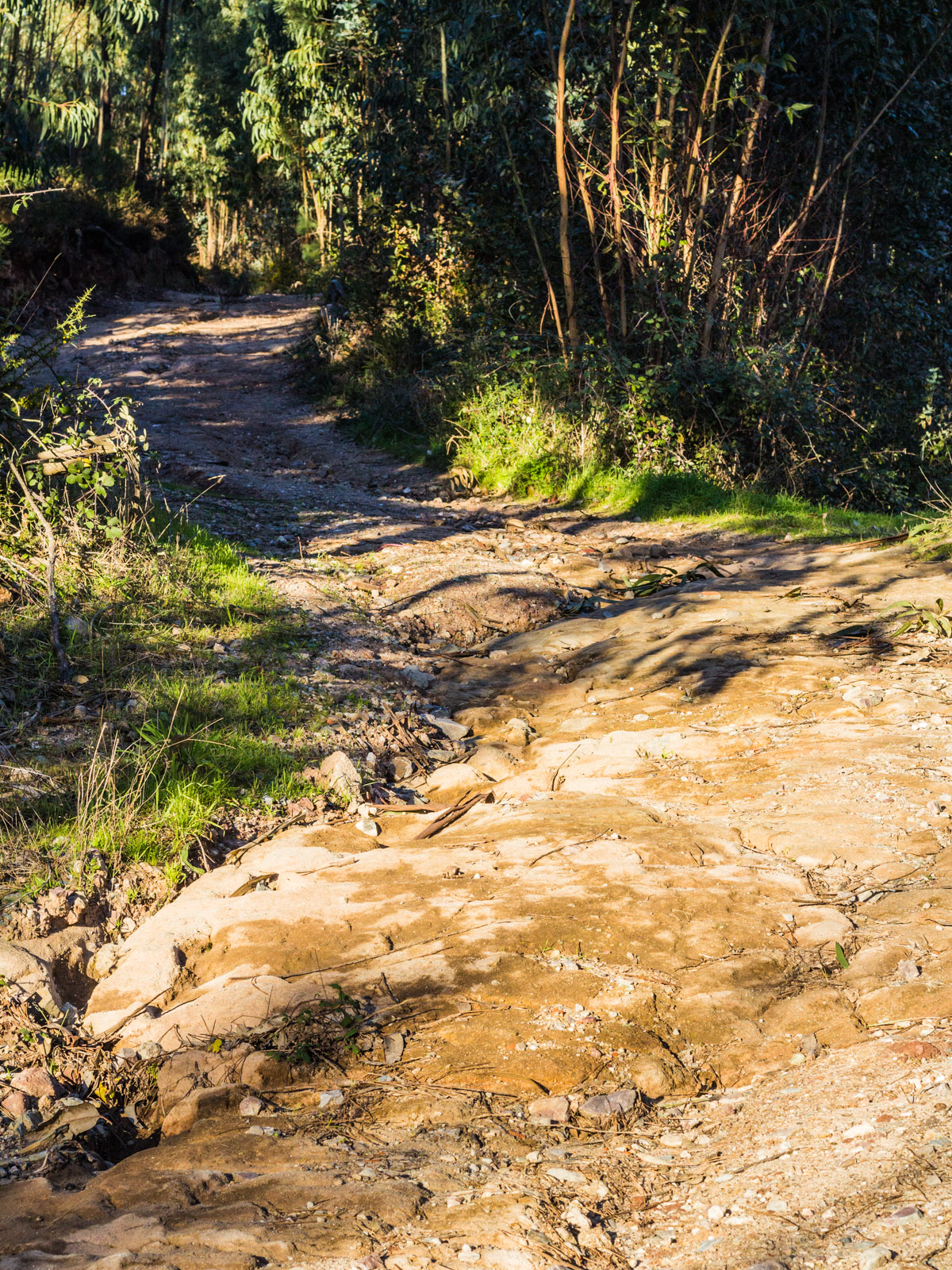
We are now at the southern base of the West Hill and the entrance looks inviting. We are in a totally different environment, the soils here are obviously more fertile and can sustain denser vegetation. Let’s go up.

©Nightjar, all rights reserved

[Read more…]

Driftwood Art

This short informative video caught my eye the other day:

The CBC covered the artist a couple of years ago:

When Alex Witcombe decided to make a raptor from driftwood, he never thought it would get so much attention.

The Comox Valley resident enjoys strolling on beaches and looking at the driftwood, and that became his studio space.

“I like the gnarly pieces,” he says. “Ones with character.”

One summer day he was walking on Stories Beach in Campbell River when he was just inspired by the driftwood and got to work, building ‘Sheila the dinosaur’ in just a day.

And now he does animals, aliens, and imaginary beasts, too! He’s also on Instagram. Here’s a couple more samples, via Seashore Inspirations:

And my favourite:


Surrounded by Rocks: An Exploration Series, Chapter 6

It’s time for the next chapter by Nightjar and today we’re looking up to see the vast landscape around us.

Chapter 6 – East Hill: The Views


I’m always searching for rocks, fossils, flowers and insects, and often I have to remind myself to look up at the views. But let’s look up from the ground now. The first thing we see are some windmills in ruins. There are several here and they were made with limestone, of course.

©Nightjar, all rights reserved

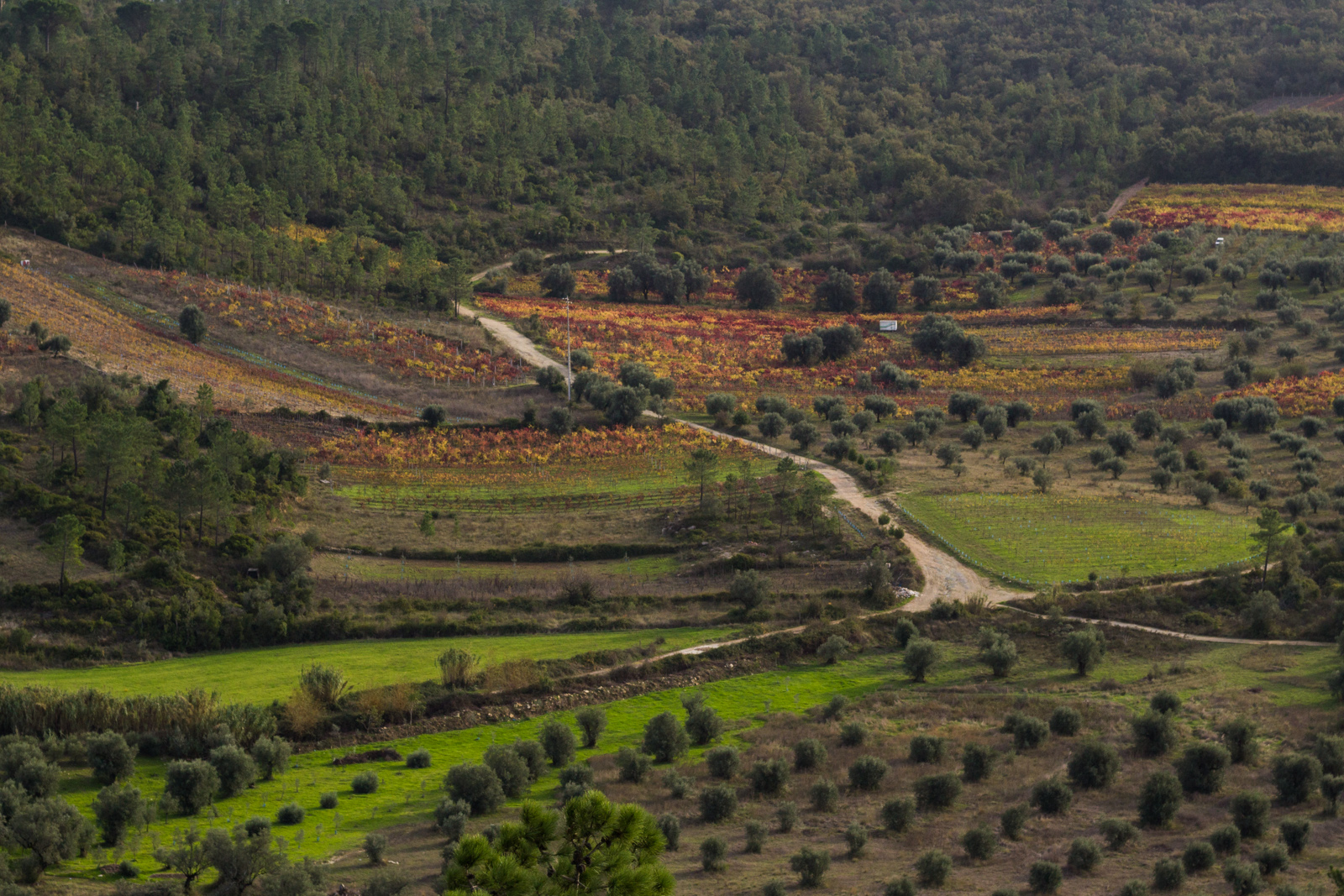
Looking down south we can see the vineyards in their full autumn display and some green fields. The round trees in the foreground and among the vineyards are olive trees. There are still many people here that produce wine and olive oil for their own consumption and to share with family. My family’s vineyard is a little bit more to the right and not shown in the photo.

©Nightjar, all rights reserved

On the foothill there is the village’s soccer field. A match was about to start!

©Nightjar, all rights reserved

Let’s look west now. Those houses are the northern part of the village and in the background we can see the West Hill. It looks very different in terms of vegetation density, doesn’t it? Can you guess what those trees are?

©Nightjar, all rights reserved

In the next chapter we will explore the West Hill and see this one from the other side!

Thanks, Nightjar.

Surrounded by Rocks: An Exploration Series, Chapter 5

Nightjar is here to share the next chapter of her series.

Chapter 5 – East Hill: Flora

There is quite a lot of biodiversity on the top but what you see will of course depend on the time of the year you visit. Spring would be more interesting, and we would be looking for wild orchids, wild peonies (Paeonia broteri) and honeysuckles. In November we must content ourselves with the late crocus (Crocus serotinus)

©Nightjar, all rights reserved

… and the autumn buttercup (Ranunculus bullatus).

©Nightjar, all rights reserved

Some plants have berries now, like the wild jasmine (Jasminum fruticans)

©Nightjar, all rights reserved

… or the hawthorn (Crataegus monogyna).

©Nightjar, all rights reserved

And seedcases of the grey-leaved cistus (Cistus albidus) make me want to come back in Spring for their pink flowers with yellow centers.

©Nightjar, all rights reserved

The next chapter will be the last here and we will just enjoy the views and see the hill we will explore next, on the other side of the village.