From Giliell, click for full size. That last photo, that’s eye-popping pink! :D


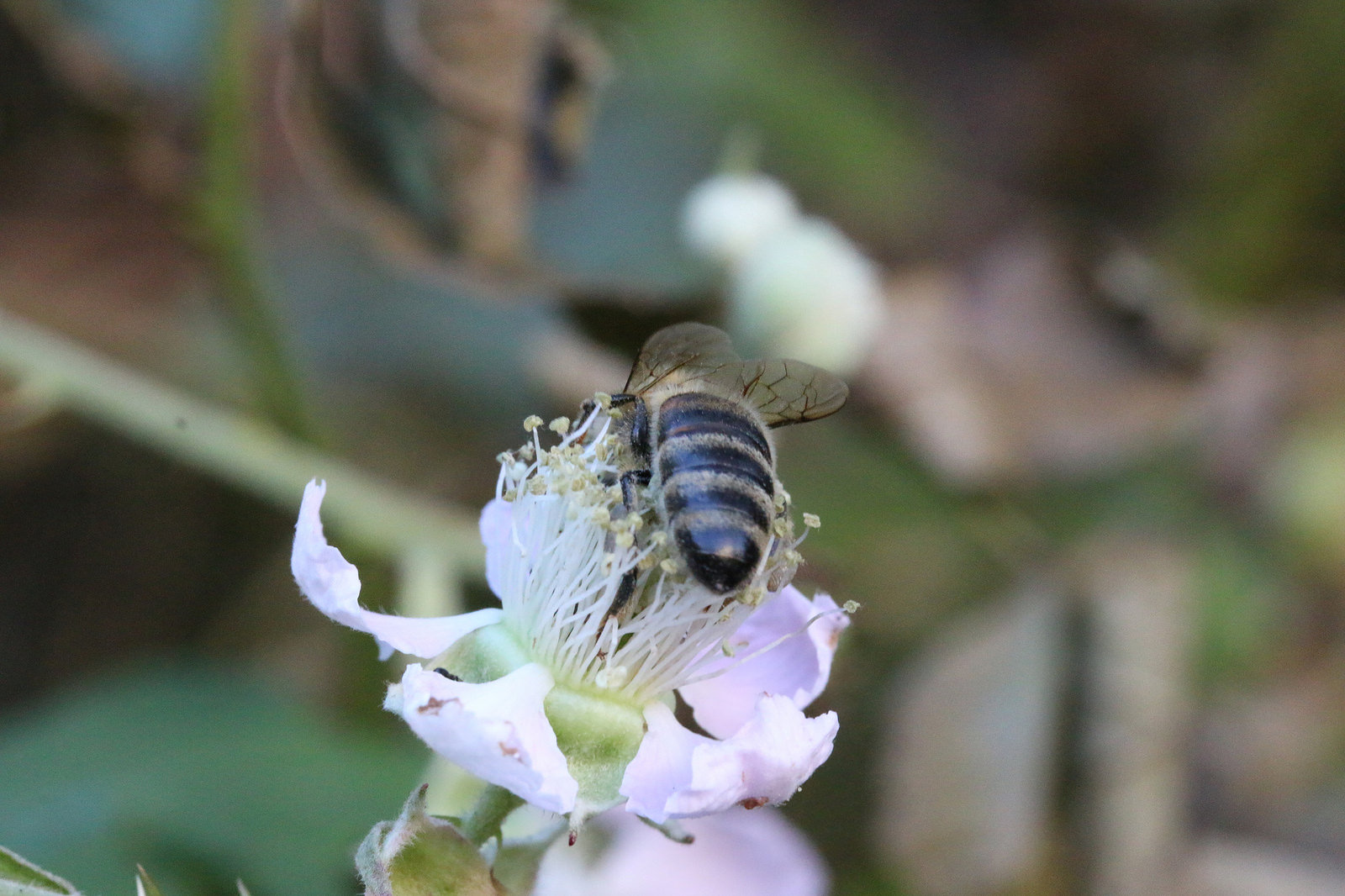

© Giliell, all rights reserved.

From Giliell, click for full size. That last photo, that’s eye-popping pink! :D
© Giliell, all rights reserved.
A White-crowned Sparrow, click for full size.

© C. Ford, all rights reserved.
Sometimes, there just isn’t an adequate expression, and even wow doesn’t make the cut.

Photograph by Mark Cowan.

Photograph by Mark Cowan.
While traveling through the Amazon to study reptile and amphibian diversity with the Herpetology Division at the University of Michigan, photographer Mark Cowan happened upon a strange sight: a caiman whose head was nearly covered in butterflies. The phenomenon itself isn’t particularly unusual, salt is critical to the survival of many creatures like butterflies and bees who sometimes drink tears from reptiles in regions where the mineral is scarce. What made this sight so unusual was seeing the butterflies organize themselves into three different species groups atop the caiman’s head.
Uh, also, that side eye!
Cowan’s photograph received special commendation from the 2016 Royal Society Publishing photography competition, you can see the rest of this year’s finalists here.
More speechless:

“Hitchhikers” (Lion’s Mane Jellyfish), St Kilda, off the Island of Hirta, Scotland, by George Stoyle.
The British Wildlife Photography Awards just announced the 2016 winners of their annual competition in categories including Animal Behavior, Animal Portraits, Urban Wildlife, and an overall winner. The awards, established in 2009, aim to highlight photographers working in the UK, while also showcasing the biodiversity, species, and habitats found in Britain.
George Stoyle, overall winner of this year’s competition, found his subject off the Island of Hirta in Scotland. “I was working for Scottish Natural Heritage on a project to assess the current biological status of major sea caves around some of the UK’s most remote islands,” Stoyle told the BWPA. “At the end of one of the dives I was swimming back to the boat when I came face to ‘face’ with the largest jellyfish I’d ever encountered. As I approached cautiously I noticed a number of juvenile fish had taken refuge inside the stinging tentacles.”
You can see more UK habitats and animal portraits from 2016’s British Wildlife Photography Awards on their website, Facebook, and Twitter.
Click for full size.

© C. Ford, all rights reserved.
More stunning shots from Giliell. Be sure to click for full size!

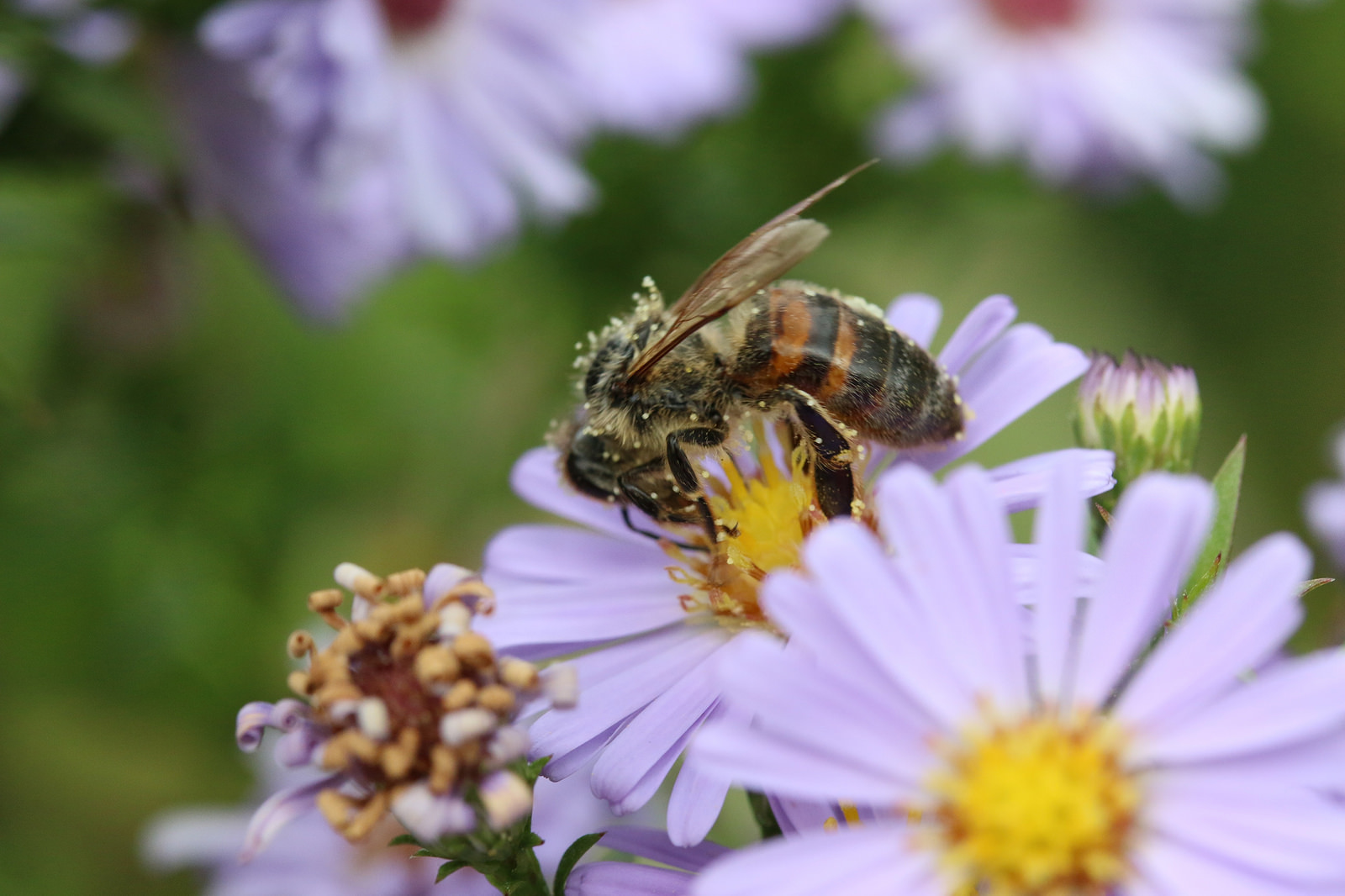
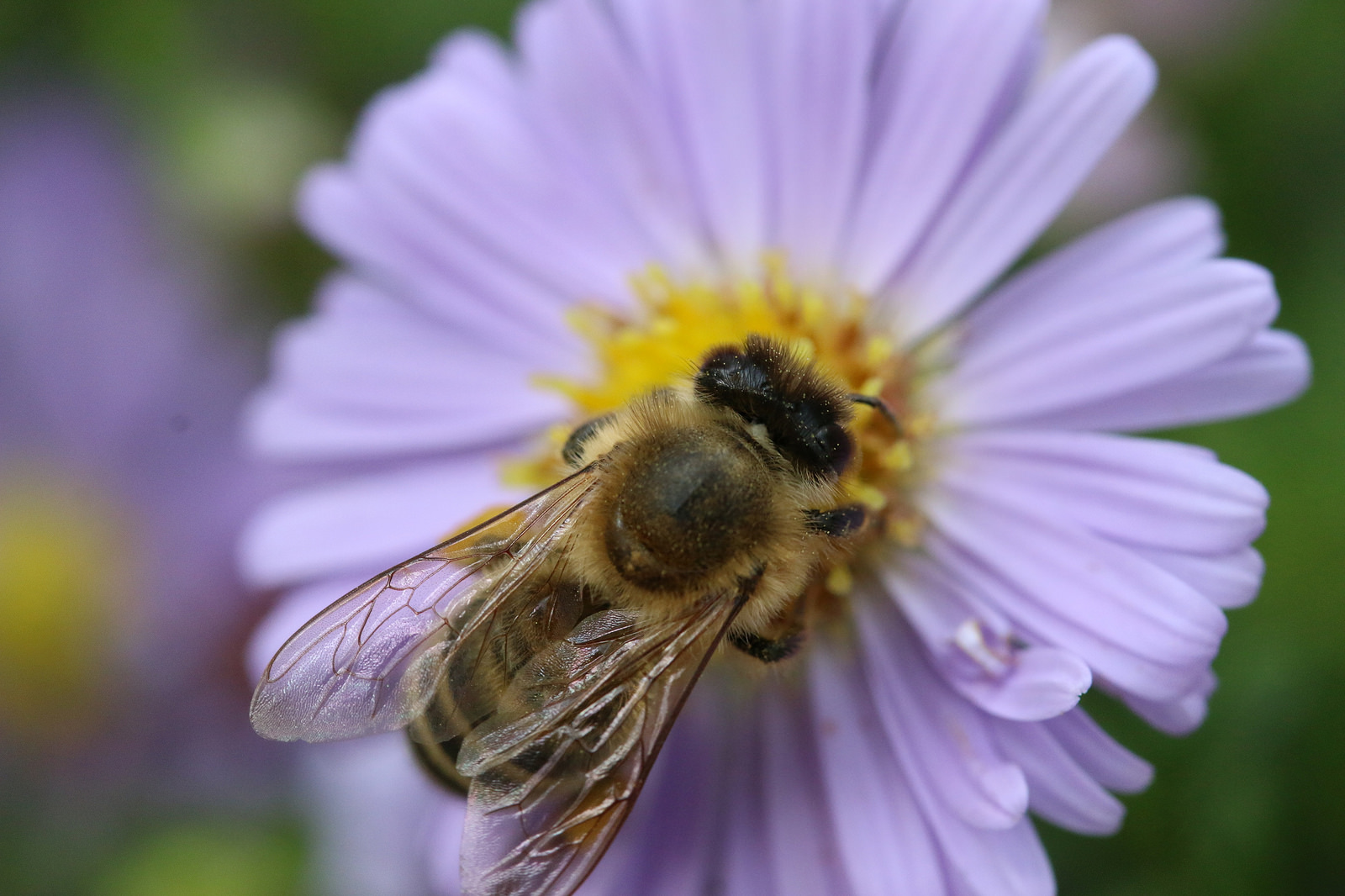
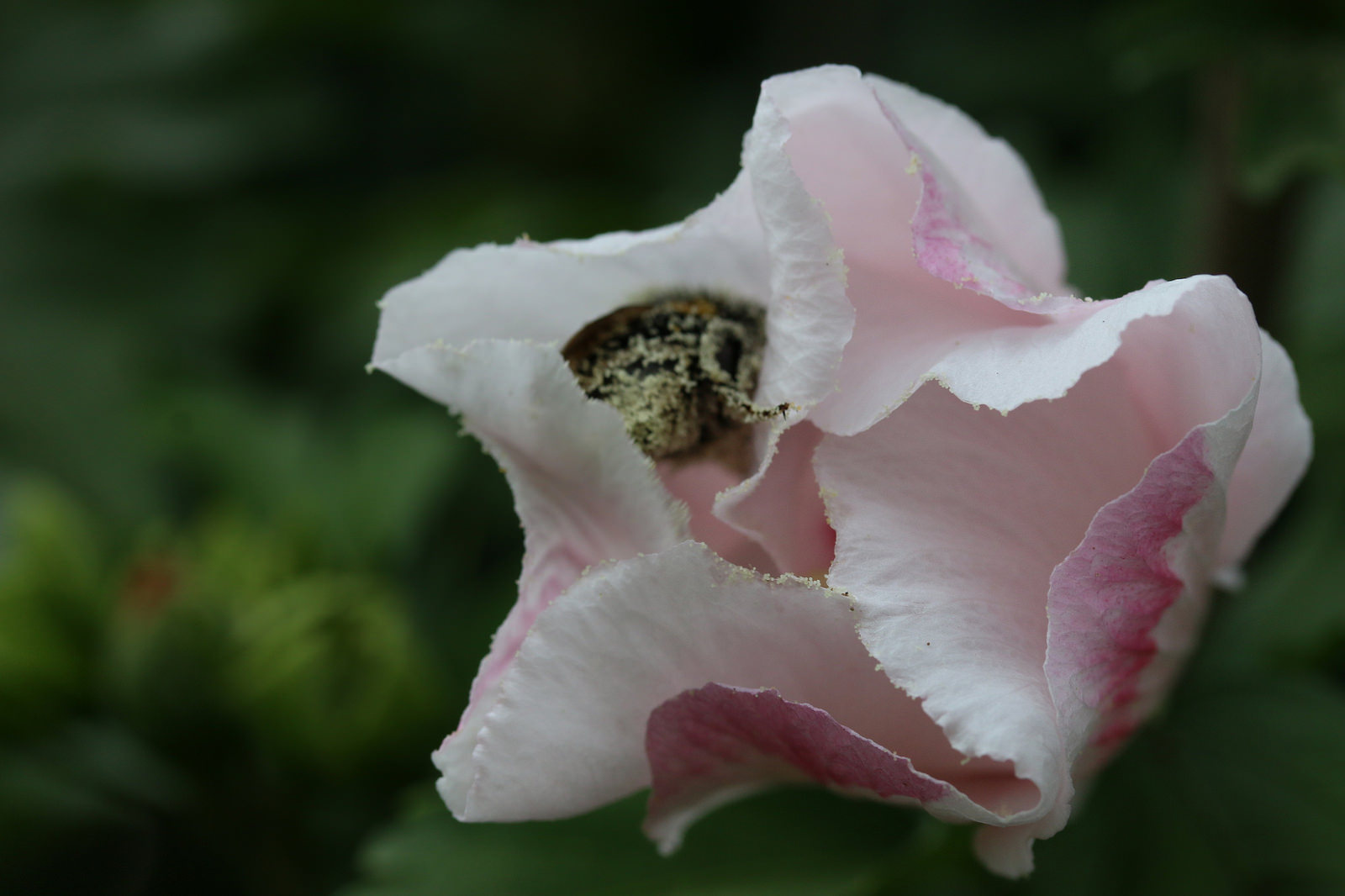
© Giliell, all rights reserved.
A gorgeous Sandhill Crane from Kengi. Click for full size.


© Kengi, all rights reserved.
Sun bright, from Giliell. The detail is stunning, be sure to click on images for full size.


© Giliell, all rights reserved.
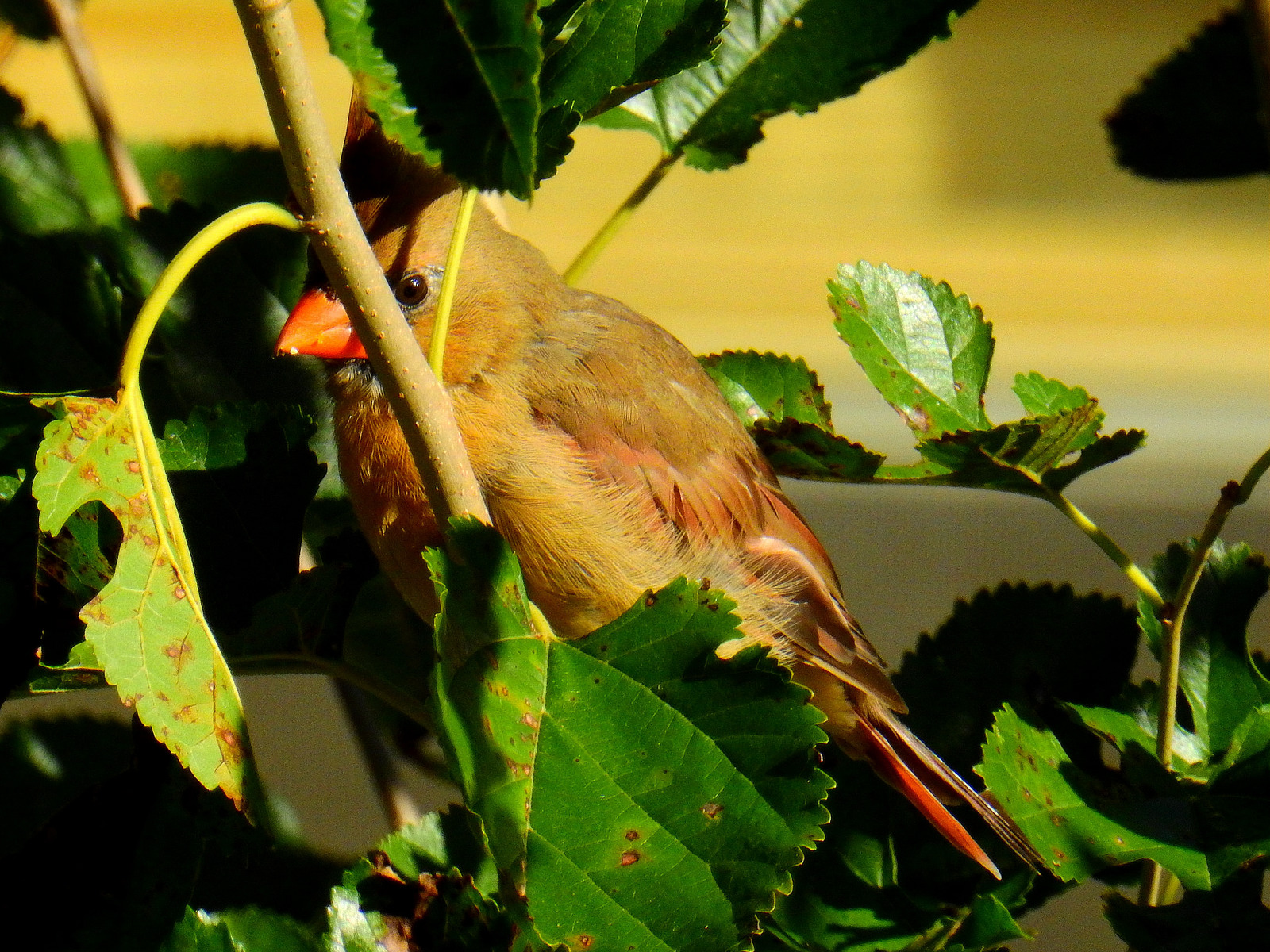
A beautiful Cardinal, from Kengi. Click for full size.

© Kengi, all rights reserved.
Stunning photos from Giliell. Love, love, love that second shot. Click for full size.


© Giliell, all rights reserved.
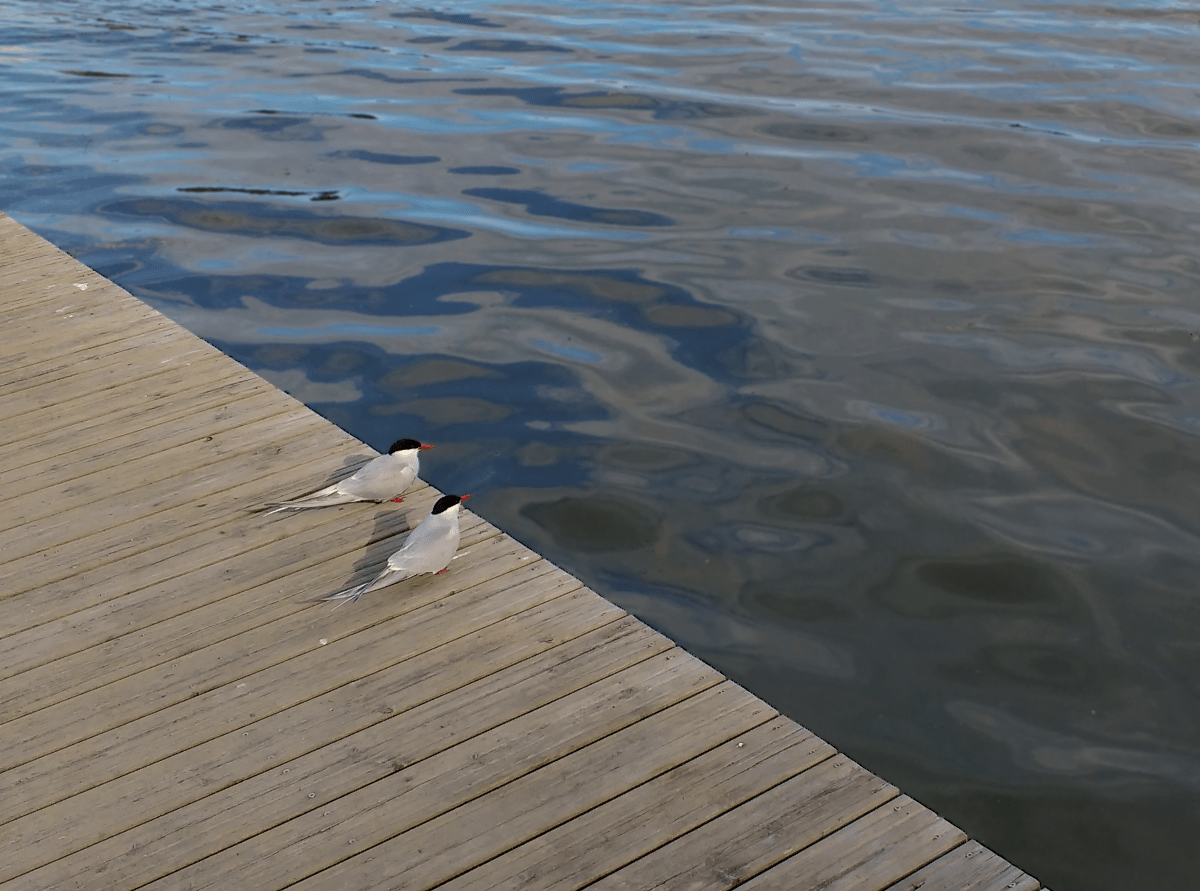
Adorable Terns, from Ice Swimmer. Click for full size.



© Ice Swimmer, all rights reserved.
We bring roses, beautiful fresh roses,
Dewy as the morning and colored like the dawn.
– Thomas Buchanan Read
Roses, from Giliell. Click for full size.


© Giliell, all rights reserved.
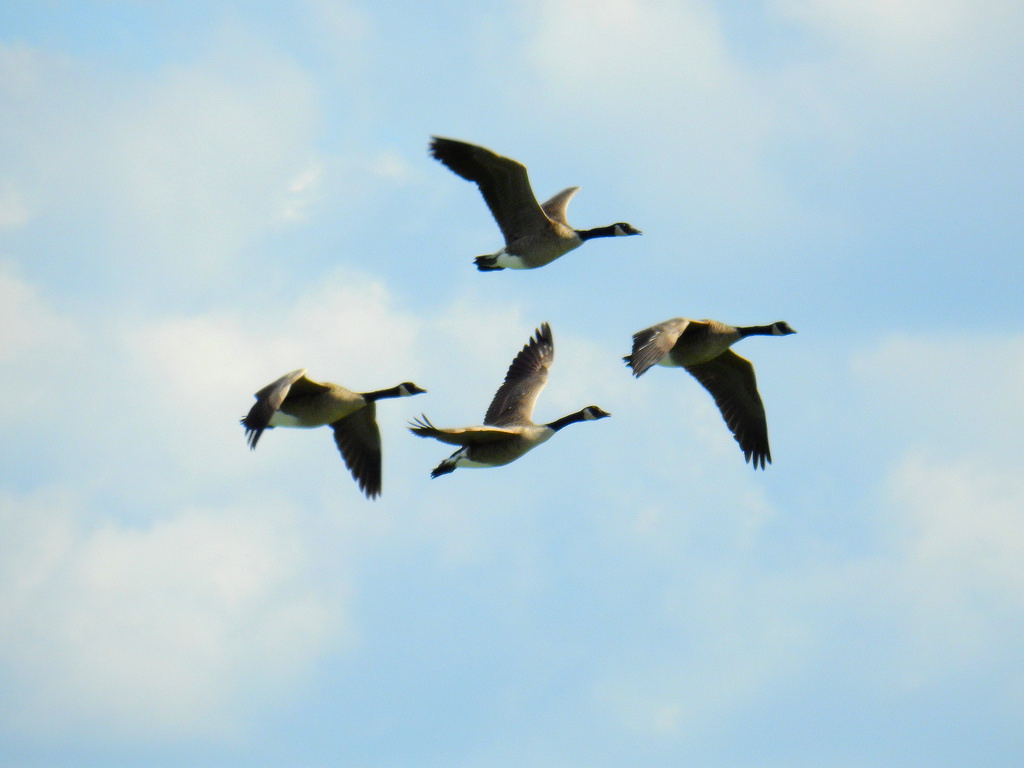
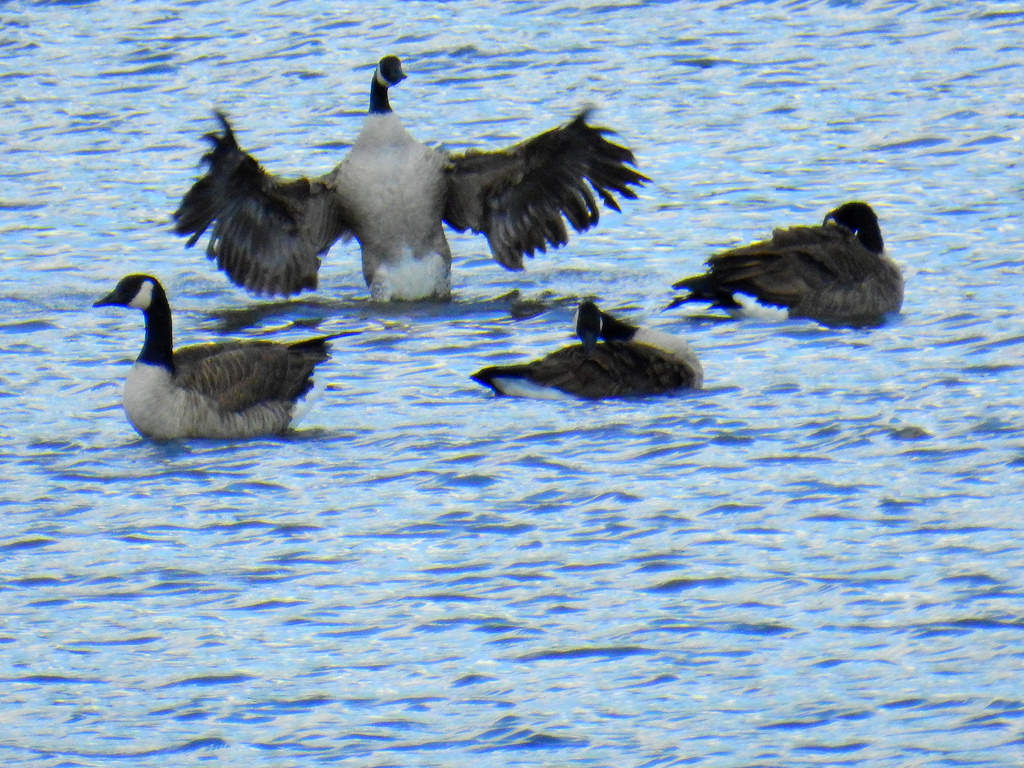
Geese, wonderful Canadian Geese. They are always a welcome sound and sight, no matter whether they are coming or going. From Kengi, who notes: Once on the lake, one of them decided to conduct the horn section for a serenade. Click for full size.


© Kengi, all rights reserved.
I had begged Kengi for some bird shots, because unless I go digging in files, I’m out for the moment, I haven’t had time to dinosaur watch. Kengi gracefully obliged, starting with photos of a Ruby-throated Hummingbird, and you should have seen my jaw drop, amazing captures! Click for full size.


© Kengi, all rights reserved.