
Our student body is fairly liberal and open-minded, but I still have to address a somewhat fraught topic in genetics tomorrow. We’ll be talking about sex determination, and this is a subject in which the science is clear, but also contrary to the conventional wisdom among non-scientists. I’ll be starting with the early 20th century idea that sex was entirely chromosomal and binary and work them up to the modern understanding that it’s bimodal, but non-binary, and a heck of a lot more complex than a single chromosome throwing a switch. I’m either going to get some pushback from more conservative students (which I will welcome!), or everyone is going to just shrug and tell me they already knew that, boomer.
Also, may I say that I really detest this explanation that I see all over the internet?
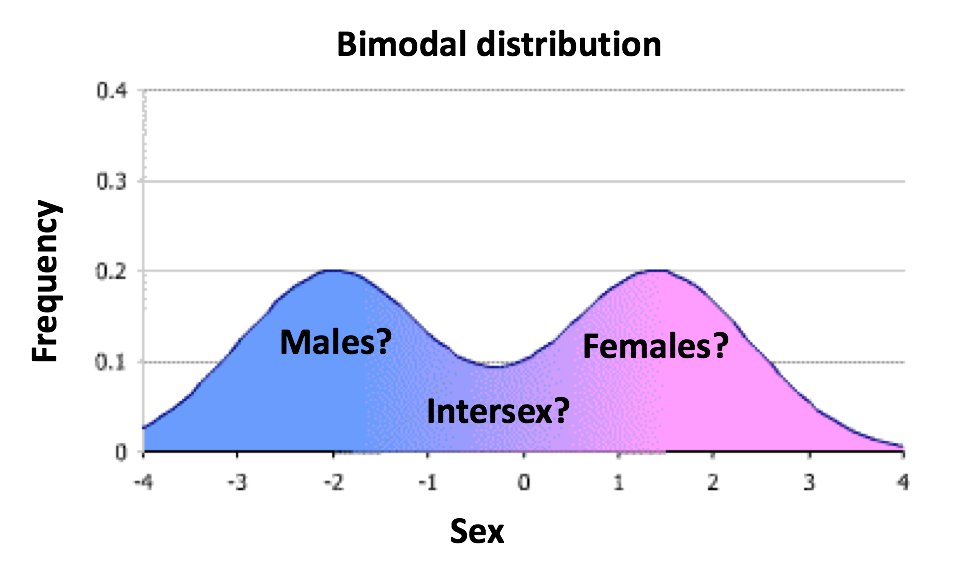
That’s also wrong. Sex varies on more than a single dimension, and we ought not to lump everyone with a variation from the stereotypical category as “intersex”. A lot of the older sources and some of the newer ones seem to be fond of calling everything that doesn’t fit their narrow binary “abnormal” or “deviant”.
Now I have to explain all that in a one hour lecture on the genetics of sex. Wheee.
OK, back to fussing over this lecture. That’s my day, that and putting together a summary of this week’s lab.









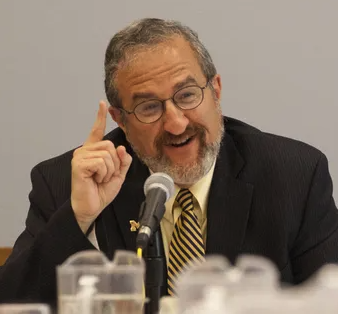

 James Ron is a dynamic, creative, and adaptable senior research professional with deep and broad experience defining research approaches and methods, managing large, diverse global and domestic project teams, developing policy recommendations, and reporting results. James is respected as a published scholar, author and thought leader.
 After enduring years of sexual harassment, two members of biochemist Gianluigi Veglia’s lab filed complaints with the University of Minnesota Twin Cities. Investigators corroborated their accounts and recommended that Veglia be fired. University administrators decided to impose lesser sanctions instead. The university kept the decision quiet until a Minneapolis newspaper revealed details. Universities often don’t disclose information about harassment cases, but sexual harassment experts say this practice is harmful. The lack of transparency about the sanctions against Veglia, who continues to work at the university, catalyzed reforms intended to protect against sexual harassment and improve decision-making. But distrust continues among faculty and graduate students.

