Resin Art: Fitting a Square Peg in a Round hole

Yes, I’ve been productive last week. Last night I sanded down some pieces I had cast some days ago, finally revealing their true shape. One piece contains some of Marcus’ burl and I wanted to try something new and I’m quite happy with the result, unlike with yesterday’s catastrophe.

The piece started out as your basic square block. I drew the oval shape I wanted it to be on the back and the front and then set to shape it with the belt sander (this time without also sanding my hand in the meantime. It’s a nice scar I got myself the last time). After I had the general shape I set to creating a dome so it would become a regular cabochon. I’m sure you have already spotted the problem here: taking out one sharp edge with the belt sander creates two more, so I only worked out the basic shape and then went to hand sanding.

©Giliell, all rights reserved

This is what I got after the belt sander. You can see the shape and also the deep, deep scratches. Now sanding paper creates the same problem as the belt sander, unless you keep the piece still and move the sanding paper. I prefer a different method for smoothing edges: First I like working with sanding fleece anyway. For the rough sanding it’s much more durable than the sanding paper. It#s also thick so it creates naturally smooth curves. Once the rough sanding was done I simply placed my wet sanding paper on top of a piece of fleece and kept sanding. It’s a hell lot of work, but I can tell you, the moment when you wash off the grit and for the first time it becomes really transparent and shiny? Pure magic! With this piece that happened at a 3000 grit and got “fixed” with abrasive paste.

©Giliell, all rights reserved

©Giliell, all rights reserved

Now I have to figure out how to turn it into a necklace…

But wait, there’s more!

©Giliell, all rights reserved

This little fellow is a scrap of pear wood. It is part of a longer piece. the top got turned into something else and the bottom got turned into this. Isn’t that wood gorgeous?

©Giliell, all rights reserved

I tried to give it roughly a crystal shape, but it would not hold the edges. I’m not sorry, I love it the way it is. Also, it’s shape just nice to hold.

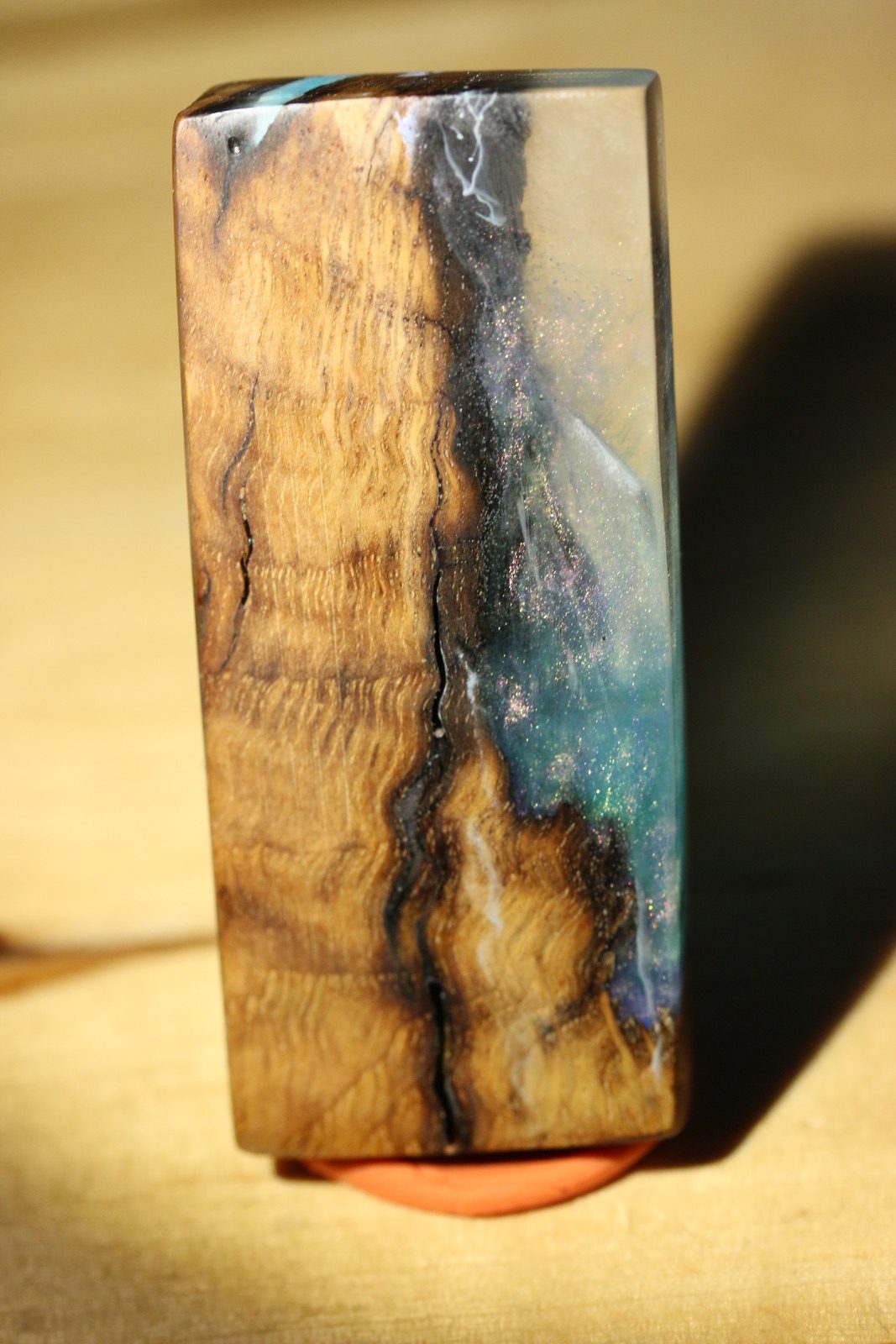
The last piece is oak wood. I experimented with some cheap pearl pigment and I quite like the effect:
©Giliell, all rights reserved

©Giliell, all rights reserved

Since I had some problems with the sticky tape that enclosed the cast getting stuck in the resin I had to take off quite a lot of material, but I am please with the result nevertheless.

Resin Art: a learning experience

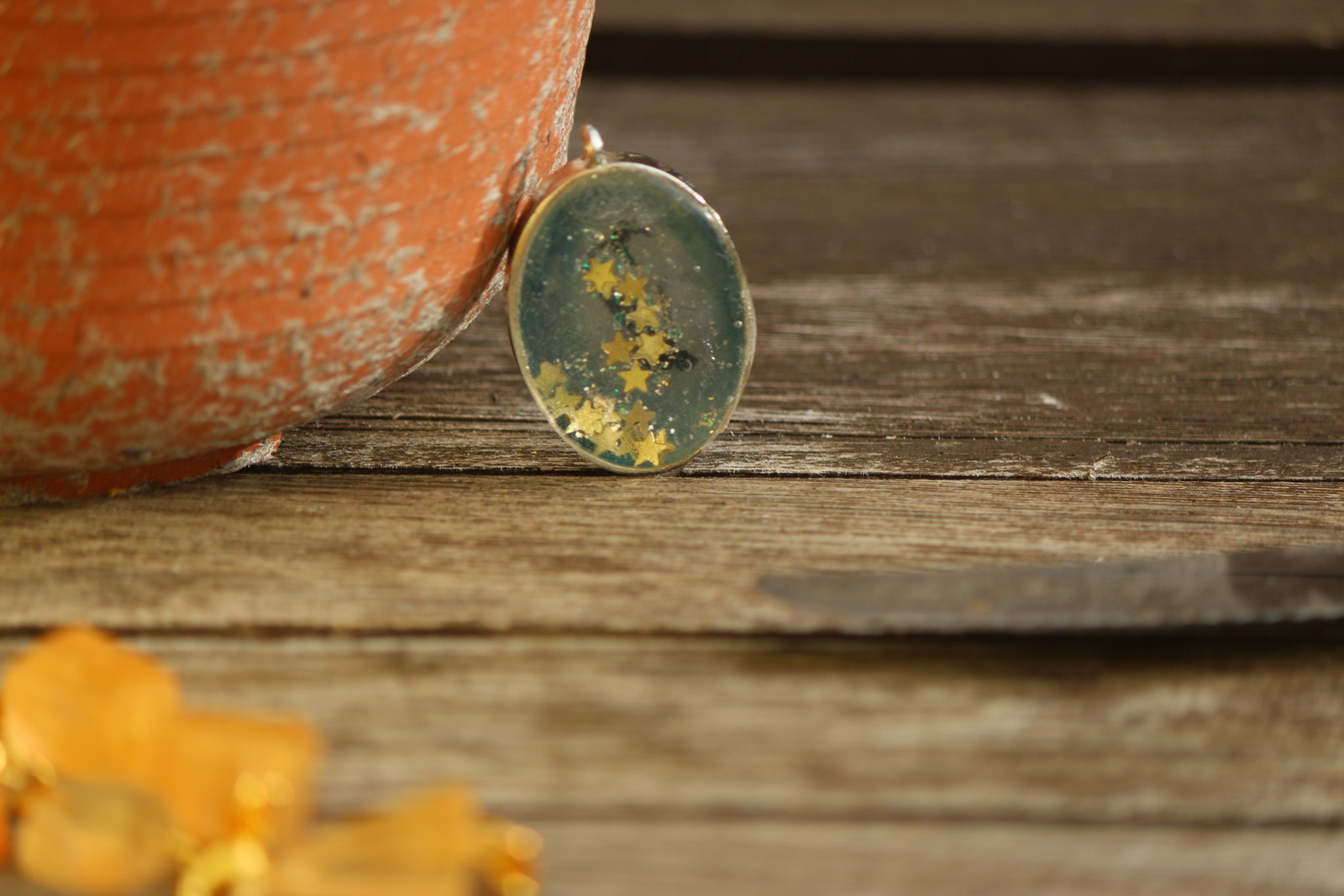
Some time ago I watched a youtube video on making shaker charms with open bezels. Keyword is “a while ago”. It looked simple enough, so I decided to give it a try: you put your bezel onto some tape, add a layer of UV resin and harden that. Then you add your glitter, mix water with some glue, put it into the bezel, freeze it solid, add UV resin to the now solid top, harden, done.

So far, so good. Only that of course it didn’t work out like this, leading to these rather pitiful examples:

©Giliell, all rights reserved

©Giliell, all rights reserved

©Giliell, all rights reserved

The unicorn one is the best of the batch, but still nowhere near acceptable. I figured out a couple of problems myself:

One: I’d overfilled the the bezels. I need to leave space inside for the resin to go. Two, working on three of them at the same time isn’t a good idea. Inevitably condensation happens on the other ones as you’re dealing with the first one. Three, my UV resin is too thick. It’s quite thick anyway and the cold from the frozen bezels makes it impossible to spread quickly and evenly.

While I figured out those three things. One thing remained a mystery: the surface of the ice. If this surface isn’t smooth, you’ll never get a clear resin layer. While I didn’t think the video in question was one of those fake craft videos, I kept wondering about it. Rewatching the video I saw that the person used distilled water, which I think will make quite a difference.

Next try: distilled water.

I’ll also add in another step: Once the water is frozen really, really solid, I’ll put another drop of water on top. It should hopefully create a super smooth surface and also create a barrier between the resin and any glitter that might have floated to the top. Wish me luck.

Russia – Welcome to Uglich

Welcome to Uglich. ©voyager, all rights reserved

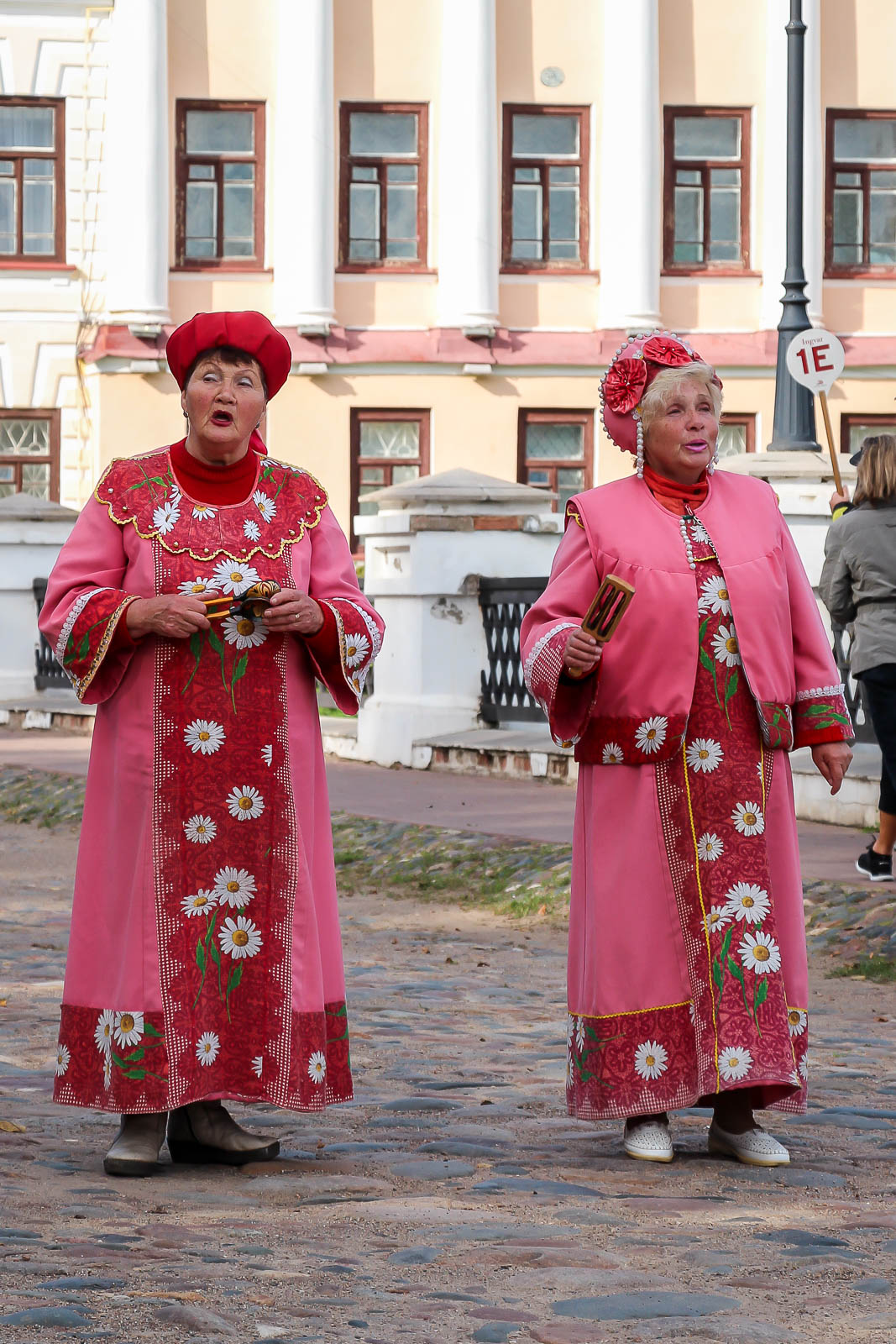
When we disembarked in Uglich we crossed a cobblestone bridge into the city where we were greeted by a duo singing a traditional Russian folk song. Their voices were clear and strong, and it was a charming welcome to the first of Russia that we saw outside of the big city of Moscow. On the other side of the bridge, we met our local tour guide who was to take us on a planned tour of the city. Being a tour guide is a noble profession in Russia, and once upon a time, the tour companies had a full-time stable of guides. There have been cutbacks, though, and now the guides all work as private contractors on an as-needed basis. For most of our trip, the guides were outstanding. They were all multi-lingual, friendly, thoroughly professional, and each of them had a comprehensive knowledge of the history and geography of the country. There was one guide, though, that we disliked.

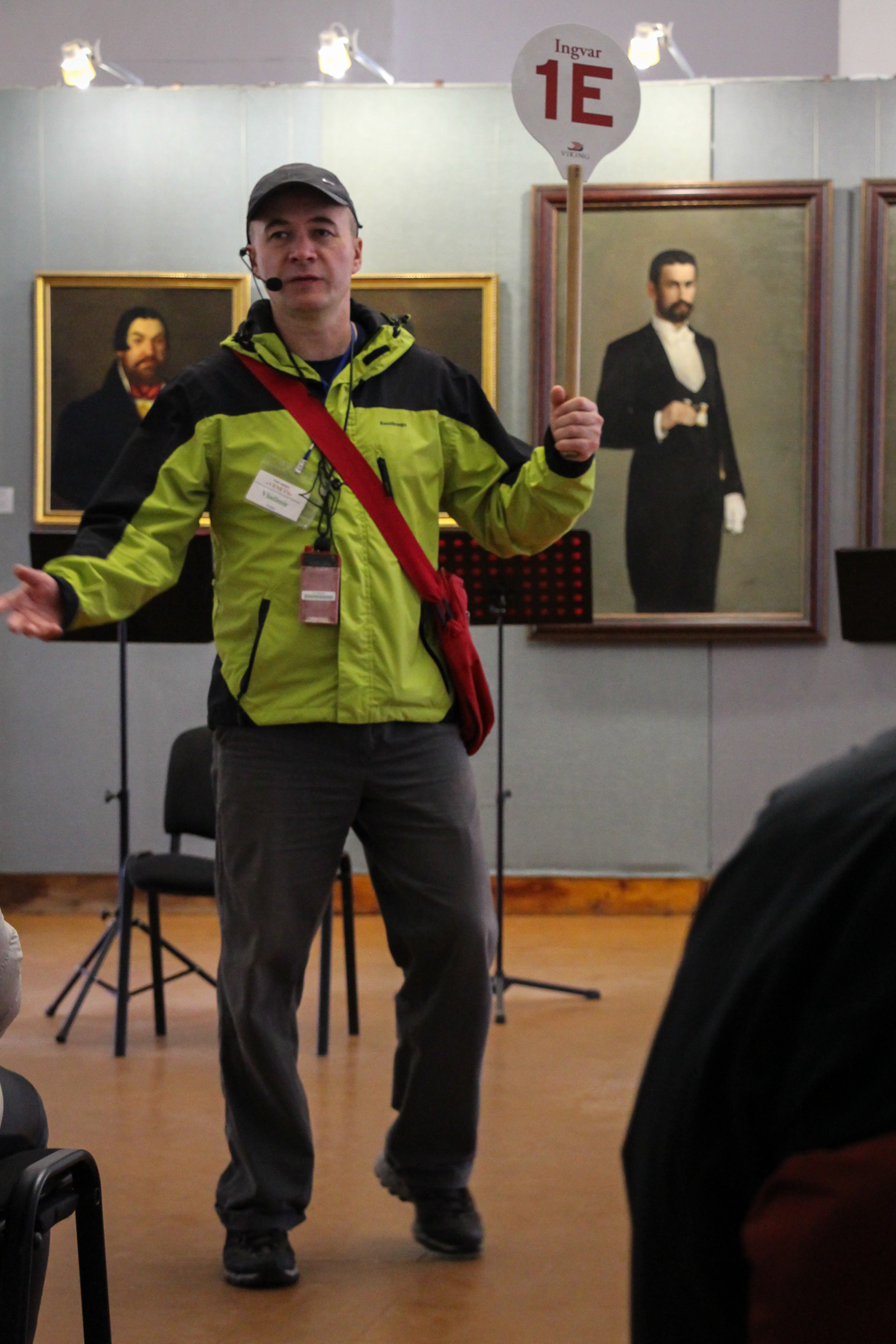
Our Uglich Tour Guide. ©voyager, all rights reserved

This fellow was our guide in Uglich, and everyone in our group was unhappy with his performance. To begin with, he walked too fast. Way to fast for all of us. My friend and I were the youngsters on our cruise, with most of the other people being in their 70’s and 80’s, and everyone struggled to keep up. He also spoke while he was walking, without turning around at all, so that most of us missed what he had to say. We figured out the reason for the rush at the end of the tour, though, when we were taken into a woodcarvers shop and told that we had 15 minutes to look around and buy. We all suspected that the haste at the beginning of the tour was to make sure we had enough time to shop and that some sort of kick-back was likely involved. Working on an as-needed basis is difficult, so we understood the circumstances, but we’d signed up for the “slow” tour (most of the tours had an option for a quick, active group or a slower group with less walking) and this walk was anything but slow. We managed, though. It’s surprising how fast you can go with the right motivation. Turns out that I’m quicker when I’m worried about being left behind and lost in an unfamiliar place where I don’t speak the language and even the alphabet looks strange. We did have our guide books with us so we could at least recognize what building or church we were passing or were about to visit.

**************

The city of Uglich is first mentioned in the All-Russia Chronicles of the Ipatievsky Monastery of 1148, however, there is archeological evidence that settlements have existed at the site since the First Millenium. The city houses many ancient churches, and we were able to visit three of them. Our tour began with a walk through the main area of churches viewing them from the outside before attending a 3 man a capella concert in a modern building used as a civic centre.

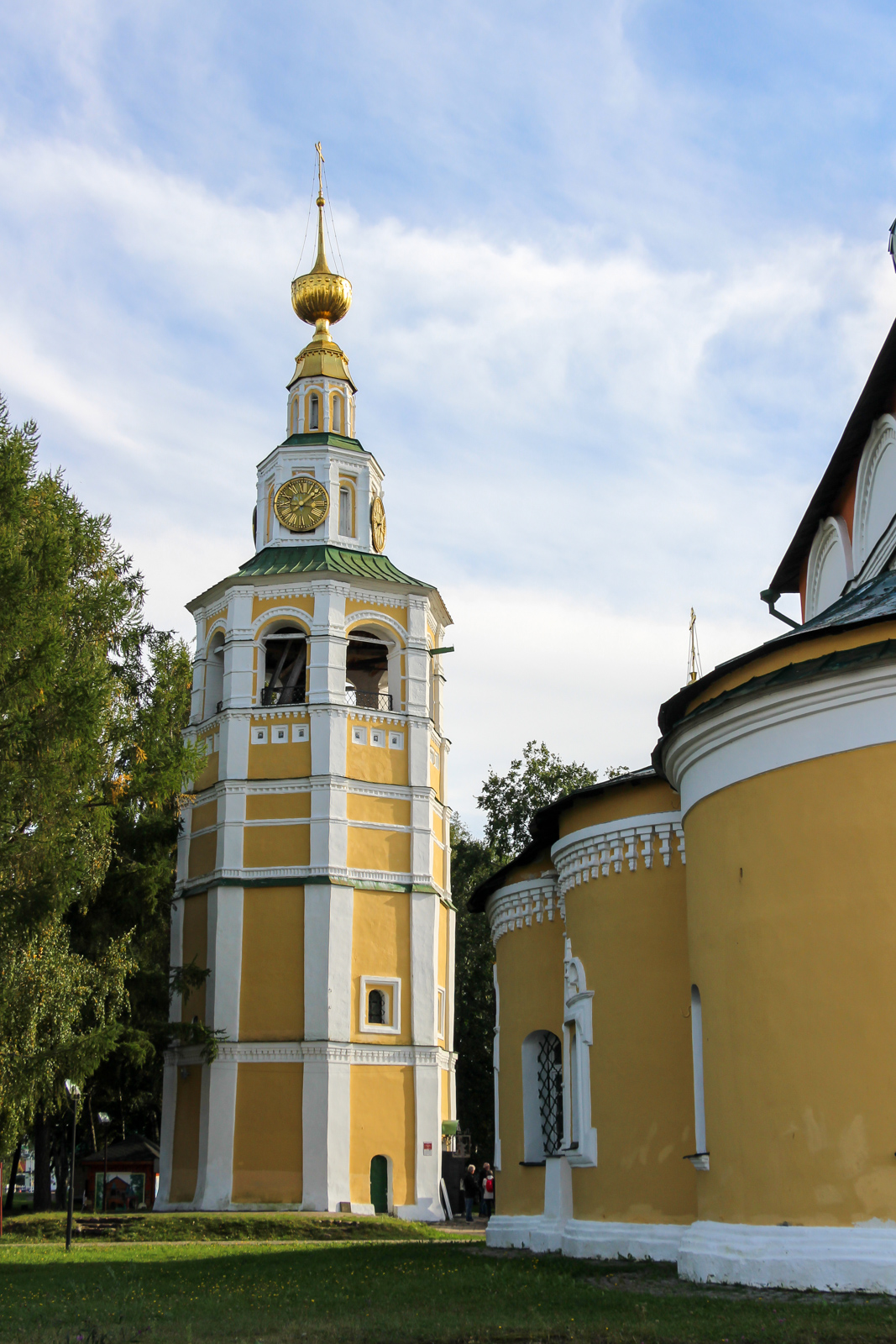
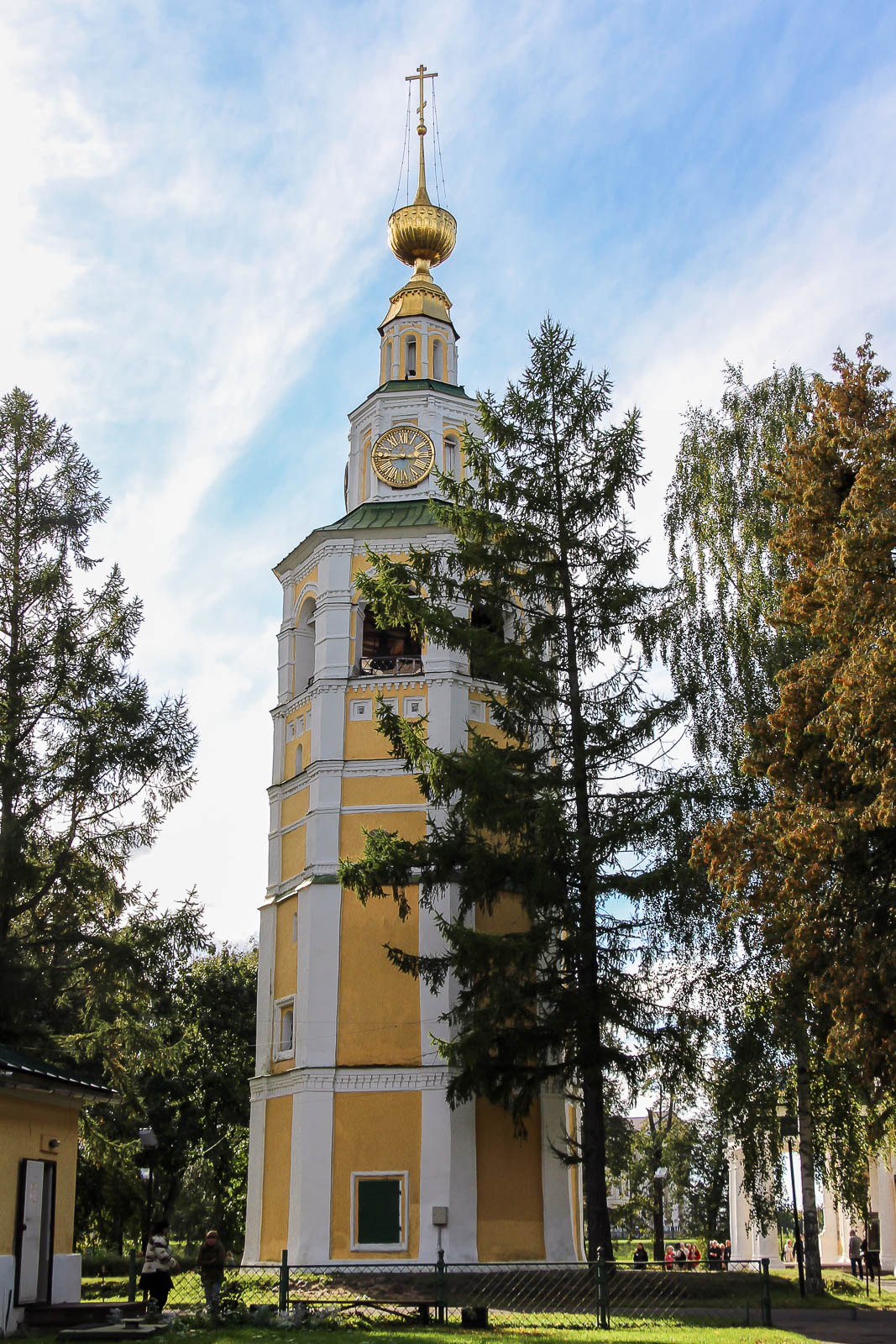
Our first stop after this was at the Transfiguration Cathedral, which is part of the city’s Kremlin (fort). This cathedral was first built in the early 1200s and it’s been rebuilt several times since then. The current church was built in 1713 and it’s the bright yellow building with orange trim and dark green onion domes that greeted us as we came into port. Beside the Church is the Bell Tower, which was erected in 1730.

The Transfiguration Cathedral, Uglich. ©voyager, all rights reserved

Transfiguration Cathedral and Bell Tower ©voyager, all rights reserved

Transfiguarion Bell Tower

Transfiguration Cathedral ©voyager, all rights reserved

We were given a very brief tour of the interior of the church later in the tour, just before being whisked off to the woodshop to buy souvenirs. Our guide told us the church is still in use and, as with all churches in Russia, there are no seats. All worshippers are expected to stand for services, including dignitaries and in previous times, the Aristocracy. Many of these services can go on for 4 hours. Gold was a prevailing detail in almost all of the churches we visited here and throughout Russia and every church has a unique set of icons.

The Icon Wall, Transfiguration Cathedral ©voyager, all rights reserved

Icon Wall, Transfiguration Cathedral ©voyager, all rights reserved

Icon Wall and cupola, Transfiguration Cathedral ©voyager, all rights reserved

That’s it for today. In the next installment, you’ll hear the curious story of Dmitri and see the church built in his honour.


Voila, la Viola

Nightjar has been searching out wildflowers for us,

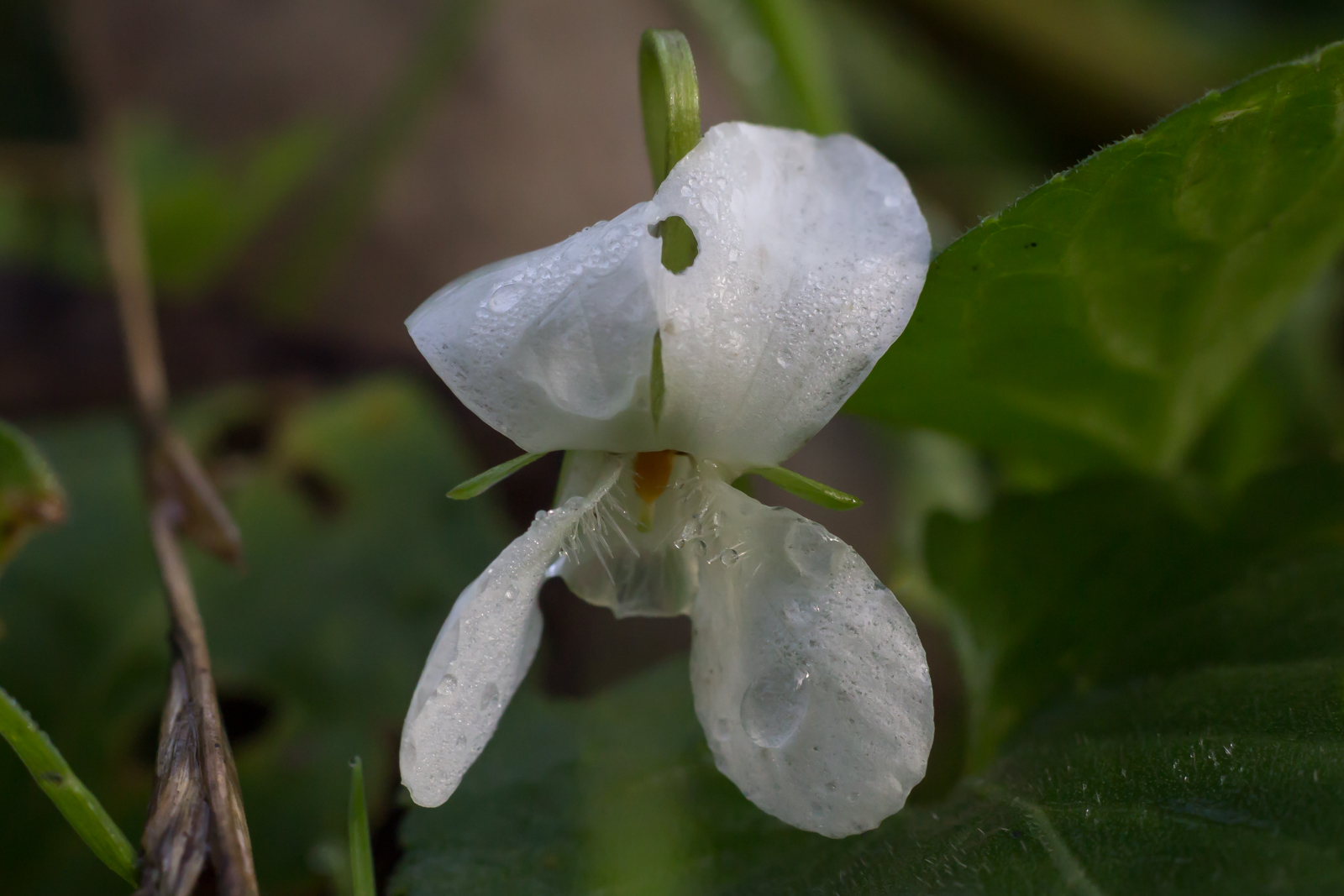
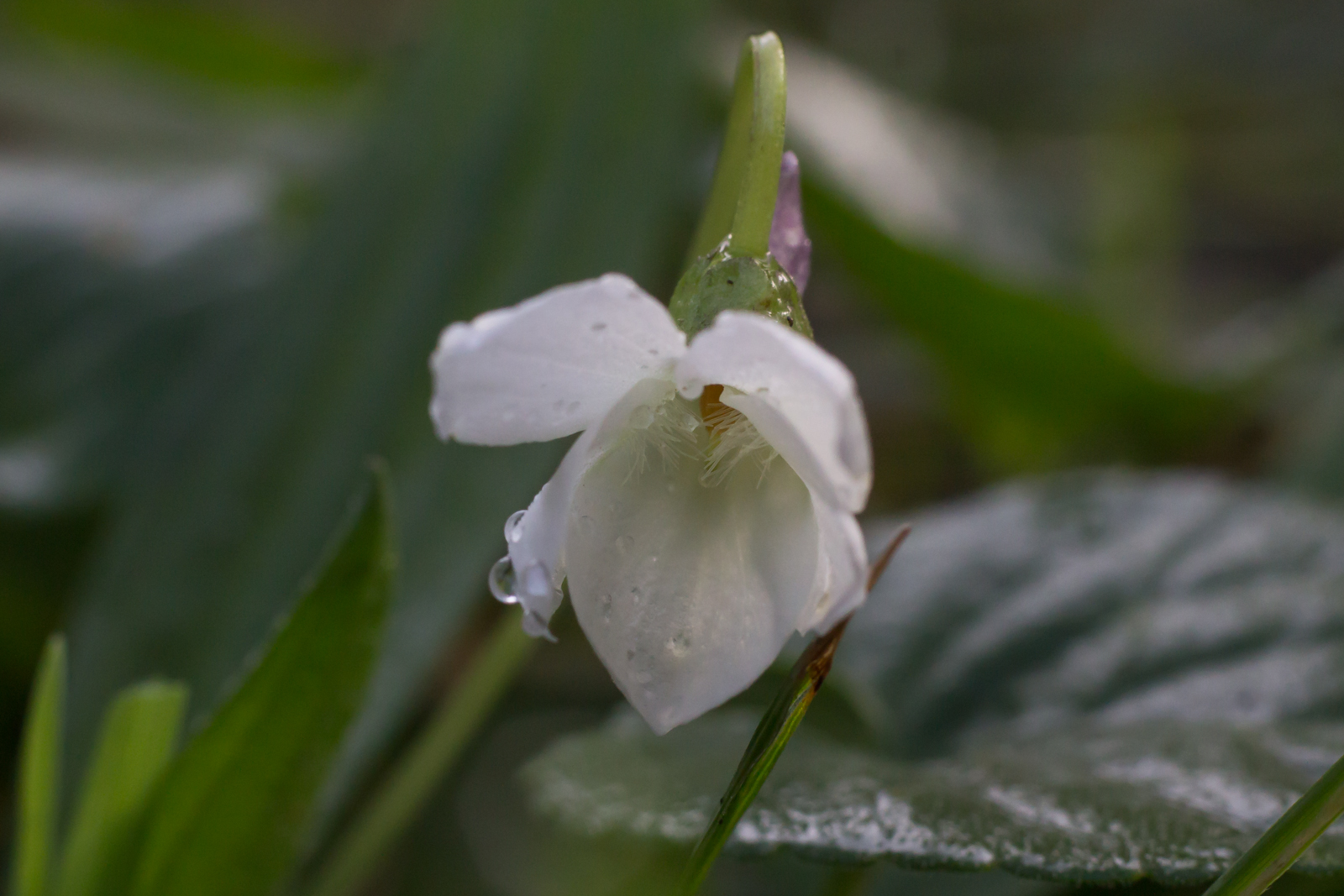
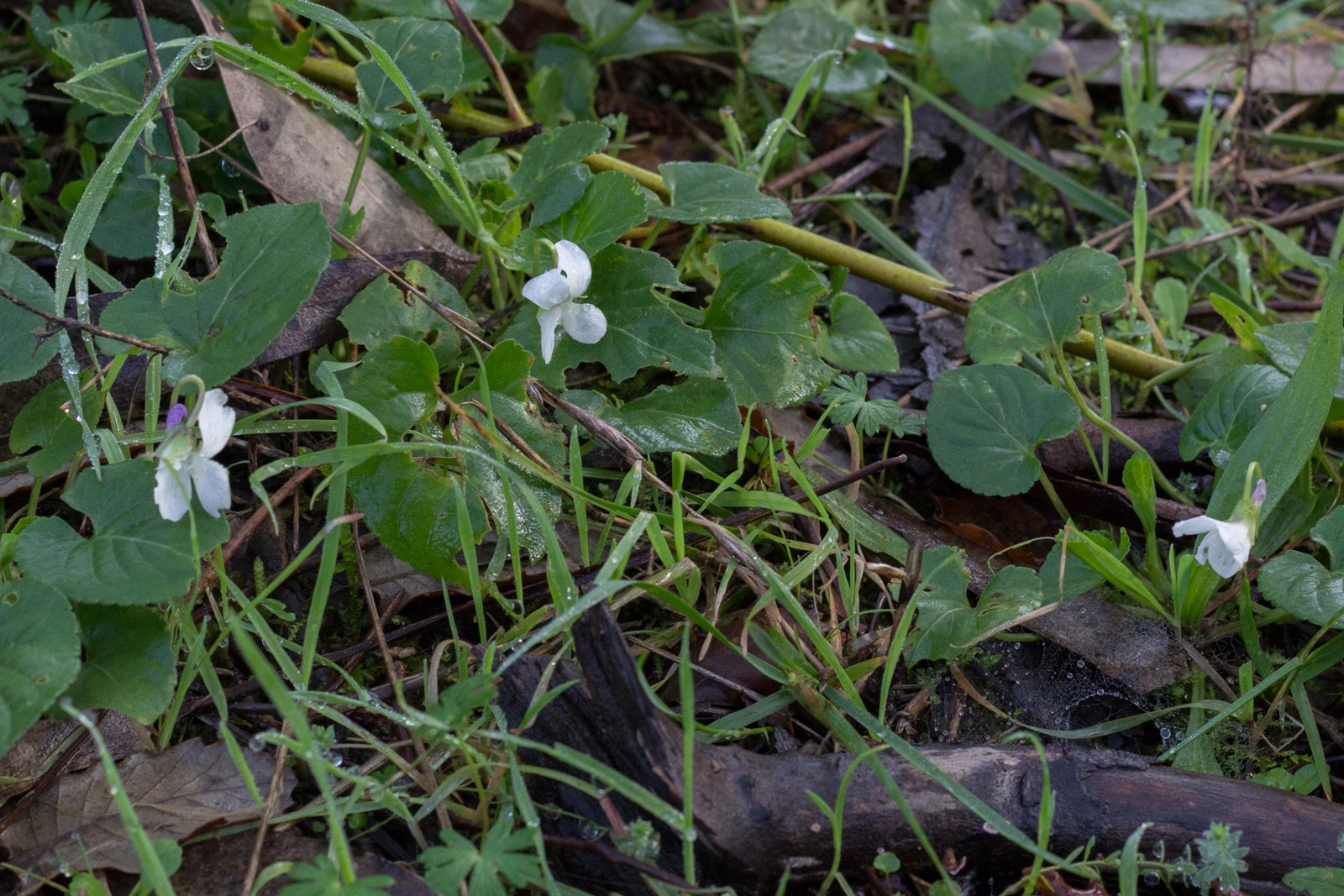
Viola riviniana or dog-violet. A completely unexpected find, not only because it is too early for wild violets but also because I rarely find completely white dog-violets. And there were only white violets, no signs of any purple ones nearby. I expect that to change in about a month from now.

©Nightjar, all rights reserved

©Nightjar, all rights reserved

©Nightjar, all rights reserved

Monday Mercurial: Duck, Duck, Goose!

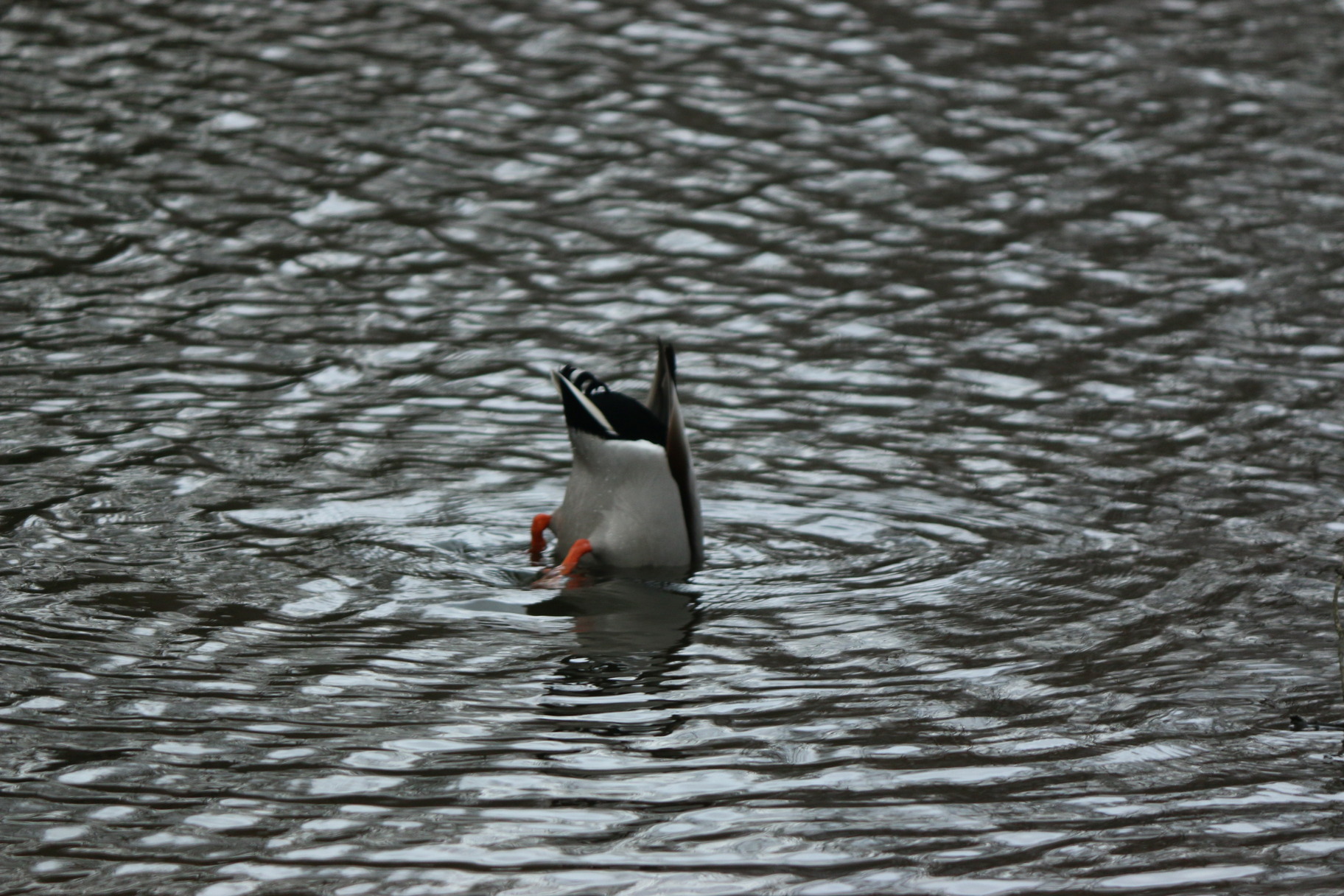
The usual residents on any pond are mallards, who I think are underappreciated for their beauty, both male and female, just because they are common. Makes me wonder if people who live in places with colourful parrot that make us ohh and ahh see them the same way as we do with out local wildlife.

Anyway, mallards also feature in the best known German children’s song: Alle meine Entchen (all my little ducks):

It’s a 150 years old and will probably last at least another 150 years: It features animals, is easy to sing and play and describes something even city kids may see and know.

©Giliell, all rights reserved

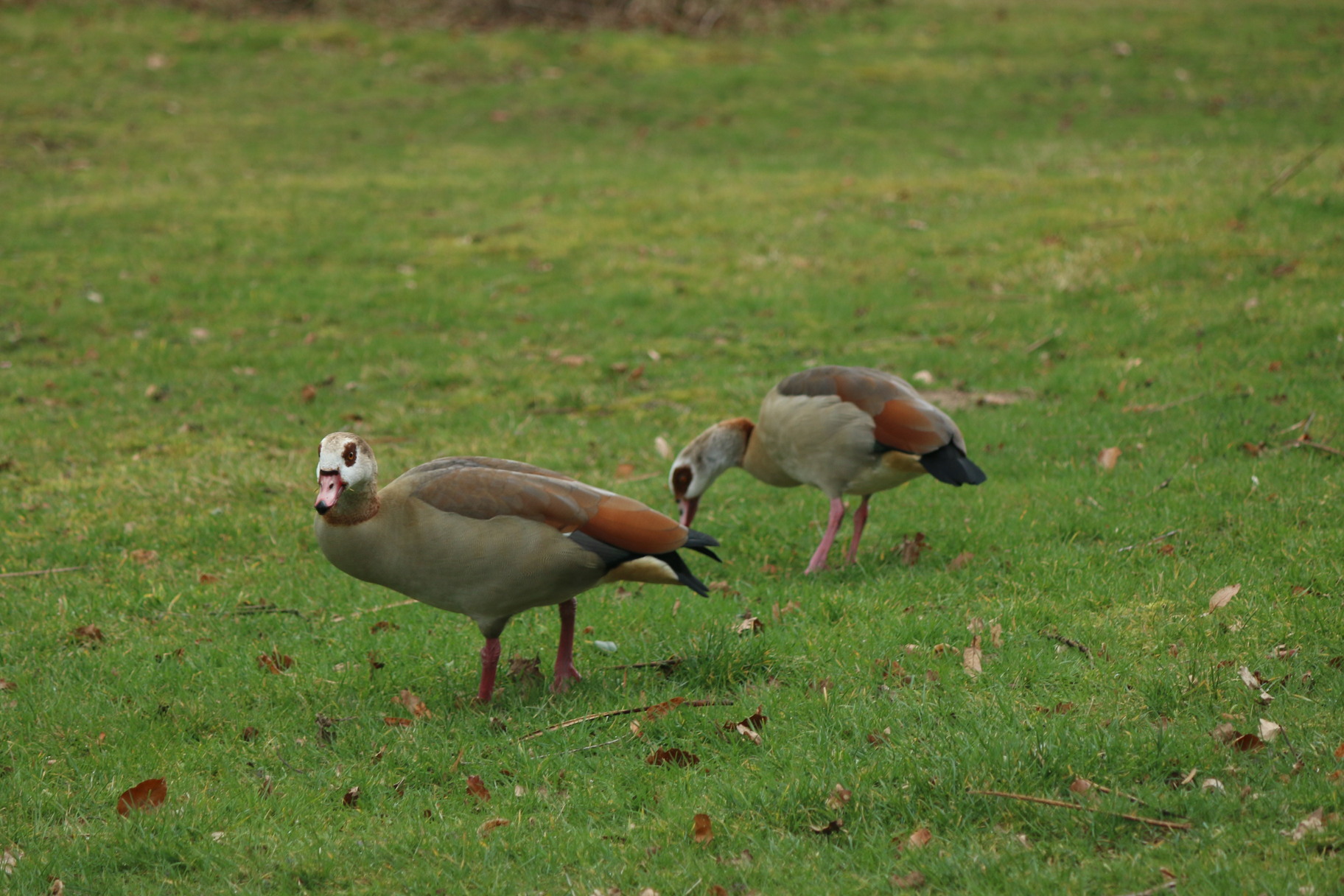
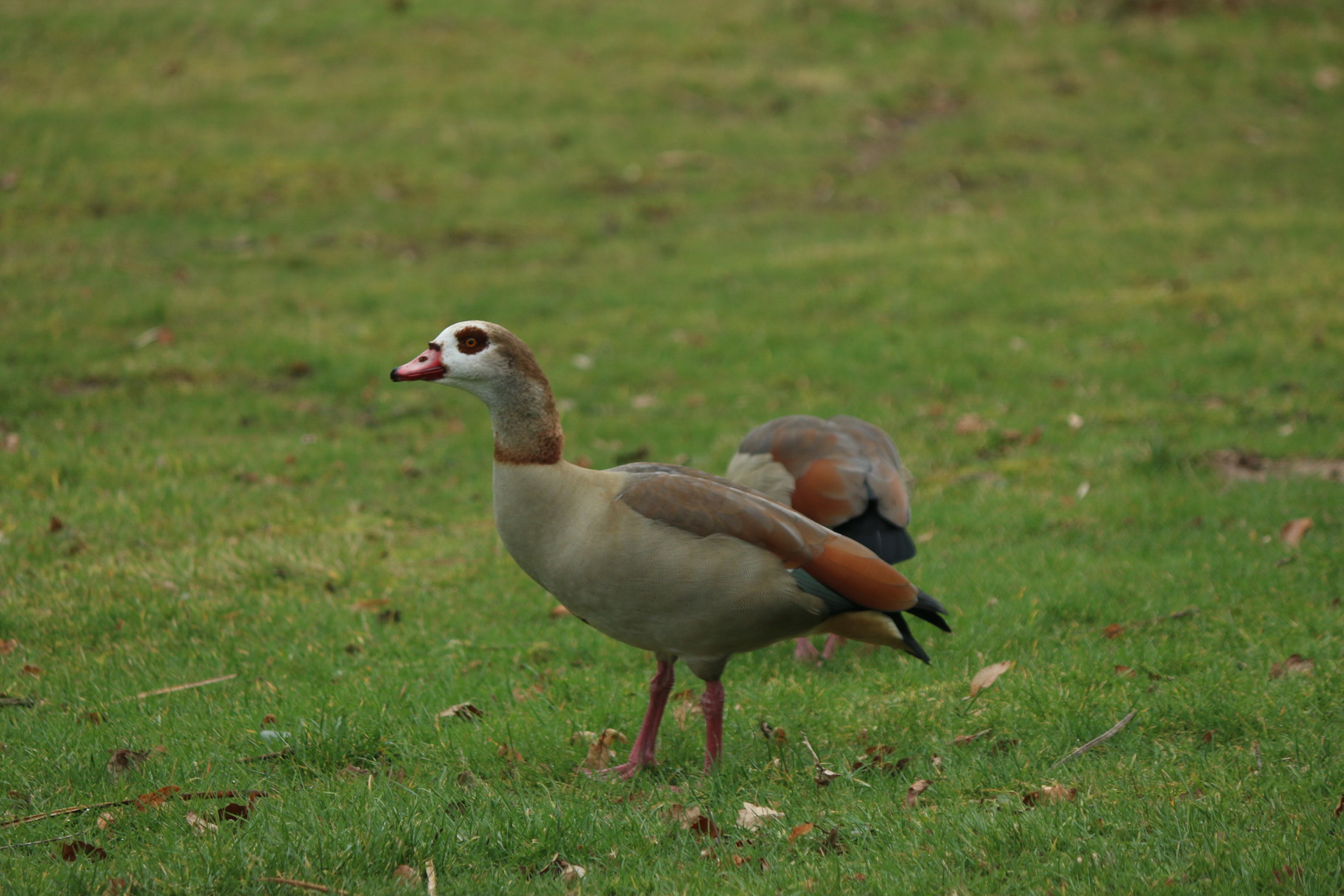
We also got a pair of Egyptian geese at the pond. While originally coming from, you guess, Egypt, they are now pretty common around Europe. They can cause trouble in places where humans like to spread on laws they consider THEIR lawns, but are for the rest harmless.

©Giliell, all rights reserved

©Giliell, all rights reserved

©Giliell, all rights reserved

©Giliell, all rights reserved

Resin Art: Breeding Dragons (hopefully)

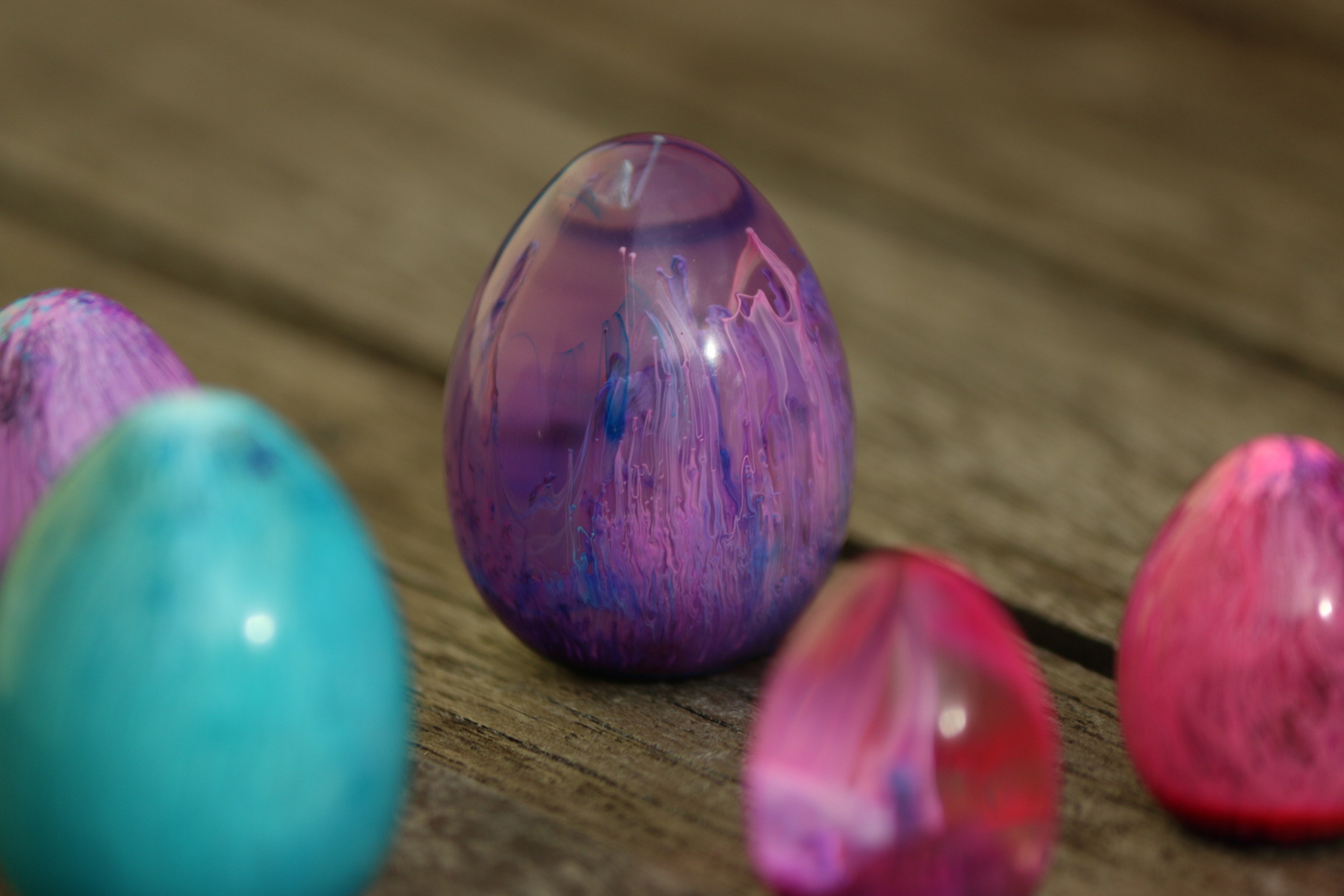
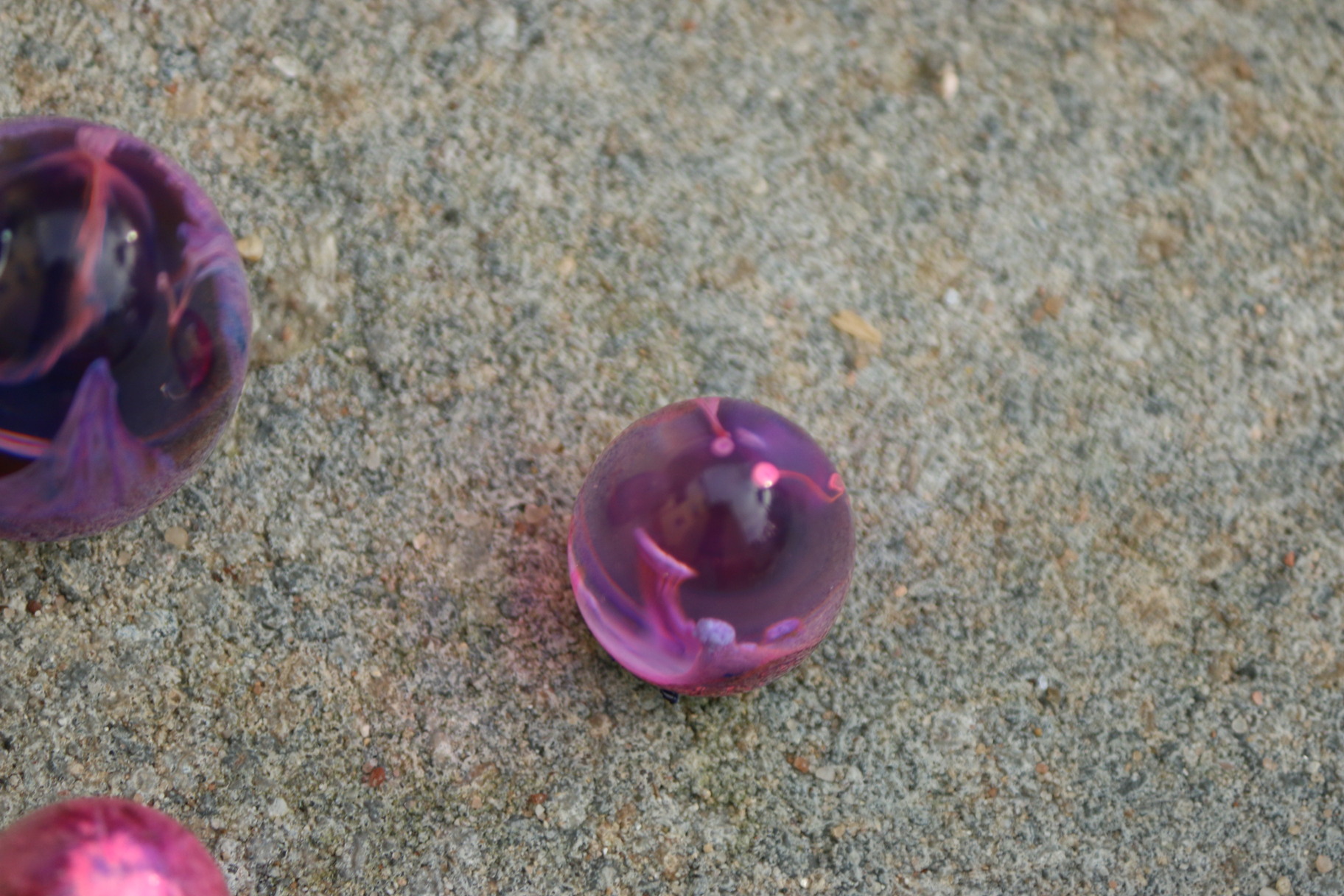
I’ve been using my holiday to get some creative work done. Let’s start with the items that gave this post its title: Dragon eggs:

©Giliell, all rights reserved

Working with alcoholic ink is always such fun. You never know what you get until it’s done. The effect is created by dripping the ink on the resin. You always need to add some white ink. This is heavier than the resin, while the other ink is lighter. The white ink takes the colourful ink down with it, creating what is often called a petri dish effect. I love them and now I#ll have to do something with them.

©Giliell, all rights reserved

©Giliell, all rights reserved

©Giliell, all rights reserved

©Giliell, all rights reserved

Next one is another wood and resin project. A while ago Marcus sent me some of his spalted maple. Did I mention  that Marcus like to send challenges? These pieces were really thins, way too thin to do the usual “break it and then sand it down” method. So what I did was making bezels to go around the resin.

[Read more…]

Speedwell, Veronica

Our weekly flowers from Nightjar are here, and they look frosted with fairy dust.

Veronica persica or winter speedwell. These tiny blue flowers measure about one centimeter and are very common here in winter, especially in cultivated fields. They are so small to the naked eye that I never noticed how beautiful and shiny they are before seeing their photos on the computer.

Veronica, ©Nightjar, all rights reserved

Jack’s Walk

See you in March. Photo by Janet B.

I’m leaving for Mexico tomorrow and won’t be back until the end of the month, so after today Jack’s Walk is on vacation until March 2. I’m going to a place called Jocotepec to help a friend pack up her house. She and her husband lived there for 12 years, but he died 2 years ago and Janet moved back home. She’s sold her house there and we’re going down to finish the paperwork and pack up the last of her things. It won’t be all work, though. We have a few interesting field trips planned, including an Iguana Park, a pyramid and a mud bath! We’ll also be going to Manzanillo for a few days because I’ve never seen the Pacific Ocean and we could both use a little beach time. I’ll share the photos when we get home, but you may get the odd Postcard From Mexico while I’m away. No promises, though. I’m ready for a break.

I can promise that The Art of Book Design will be here every day as usual and I thought that Jack’s absence would be a good time to put up the next part of my Russia series, so there will be 2 or 3 posts published about our stay in Uglich. Be sure to look for those. I’ll see you all in March.

Tree Tuesday

Today’s tree story is about another victim of the cult of Greed. Developers, building artificial islands for luxury resorts, are buying mature coconut trees from farmers, but their removal and relocation has many people worried.

Kaashidhoo is one of the largest of the 1,192 islands that make up the Maldives archipelago, but unlike many other islands, it does not teem with sunbathing Europeans. Its broad dirt roads are often deserted, flanked by pink Maldivian roses, mango-orange impatiens, and papaya and banana plants. The main occupation of the islanders is cultivating coconut and other tropical produce that can be sold in Malé, the Maldivian capital.
But lately, the local economy has been thrown out of balance. Crater-like holes have begun to appear across the island, some filled with dry leaves and others left as barren pits. These bald patches are the places where mature coconut trees used to stand tall. In the last year, Kaashidhoo farmers have sold hundreds of trees to new luxury resorts on nearby artificial islands.

While some locals are grateful for the newfound income—$20 to $100 for each tree—others worry that beach erosion has intensified since the trees started getting uprooted. They see this as a fragile ecosystem threatened by the proliferation of luxury resorts. “It’s a huge issue,” says Ibrahim Naeem, Director General of the Maldives Environmental Protection Agency. “Importing coconut palm trees is prohibited in the Maldives, so they have to rely on residential islands.”

As time has gone on, environmental changes have set in.

Yet as the year went by, and more coconut trees disappeared, Jameel says that many locals grew concerned. Coral islands like Kaashidhoo are highly dynamic, constantly adjusting and dancing to the idiosyncrasies of wind, tides, and relentless waves. “Everyone has observed far more erosion around the beaches. That’s what we end up talking about most of the time,” Jameel says. In response, she joined a non-governmental organization called Young Leaders, to spread awareness about environmental issues on the island.

Also, once these areas are developed, locals are encouraged to stay away, and many of the benefits that they were promised from development have never materialized. Environmental groups are now co-ordinating campaigns to strengthen and enforce the laws, and they’re using the #mvtreegrab. I usually forget to Twitter, but today I will, and I’ll add that hashtag. There are plenty of pretty pictures with the story, so go have a look… if you can stomach another bad news story.

story via: Atlas Obscura

Jack’s Walk


Prelude to a shake  ©voyager, all rights reserved

Jack isn’t happy today. I brought my suitcase upstairs to begin packing, and Jack knew something was up right away.

“Are we going to see Grandma in Montreal?” he asked.

“No, no, we’re not Jack,” I replied. I saw a shadow pass over his eyes but he sat quietly for a pause before he said,

“Are we going all the way to the east coast?”

“No, Jack,” I said. “Just mummy is going away this time. I’m going to Mexico with Aunt Janet.”

I know Jack doesn’t like it when I’m away, so I’ve been keeping the trip quiet. I didn’t want to spoil more days than necessary.  Typically, Jack is very zen, and he doesn’t often get emotional, but I heard a catch in his voice as he asked,

“How long will you be gone, mummy?”

“13 days, Bubba. We’re going to pack up Aunt Janet’s house because she’s sold it. And since we’ll be near to it, Aunt Janet and I are going to go to the beach, so I can see the Pacific Ocean. I’ve only seen it in pictures,” I said.

“13 days is a long time! And you’re going to the beach without me! I’ve never seen the Pacific Ocean either.” He was starting to sound a bit petulant.

“I know, it sucks, Bubba. I wish you could come with me, but you’d need to fly on an airplane, in a crate, away from Mummy, and I know you wouldn’t like that.” We’d had this same conversation when I went to Russia.

“I would be afraid of that….” then a longish pause and, “How far away is Mexico and the Pacific Ocean? Is it as far away as the east coast? Is the ocean as big as our ocean?”

“It’s a lot farther away, Jack. If we drove, it would take almost a week to get there.”

“A whole week. That’s really far away.”

“Yup, and it’s bigger than our ocean, which is the North Atlantic Ocean. A lot bigger. The Pacific is the biggest ocean on the entire planet. Here, let’s sit down with the Atlas, and I can show you. After that, I’ll show you pictures of where I’m going.”

And so we spent the rest of our afternoon looking at maps and pictures and talking about my trip. Eventually, I started packing, and Jack got quiet again. Finally, he said,

“I’m going to miss you mummy, and it isn’t fair for you to go to the beach without me, but… I hope you have a good time, and I hope you bring me home a nice present. Maybe something that smells like the beach. Also, Mummy, I don’t think you should take those shoes. You’re clumsy in those shoes. And you’ll trip if you wear the Palazzo pants. What else have you put in there?”

Sheesh, why do men always think they can comment on a woman’s clothing?”